Framed vs. Frameless Glass Railings: Benefits, Drawbacks & Best Uses
-

- July 30th, 2026
- 37 views

FREE SEO Topical Map Generator: Find Your Next Content Ideas
Glass railings have become a preferred choice in modern residential and commercial construction due to their clean appearance, durability, and ability to maximize natural light. From decks and balconies to staircases and rooftop terraces, they offer a contemporary solution without compromising safety. However, selecting the right system is essential to meet both design expectations and project requirements.
The two most common options are framed and frameless glass railings. While both provide excellent performance, they differ in appearance, installation, cost, and maintenance. This guide compares the benefits, drawbacks, and best applications of each system to help contractors, builders, architects, and property owners make an informed decision.
What Are Glass Railings?
Glass railings are protective barrier systems made with tempered safety glass supported by stainless steel or aluminum hardware. They are widely used in residential, commercial, and hospitality projects because they combine safety with modern aesthetics.
Common applications include:
- Decks and patios
- Balconies
- Staircases
- Pool enclosures
- Rooftop terraces
- Office buildings
- Hotels and restaurants
Their ability to create open, bright spaces makes them a popular alternative to traditional wood or metal railings.
What Are Framed Glass Railings?
Framed glass railings use aluminum or stainless steel posts and rails to support the glass panels. The surrounding frame provides additional structural stability while maintaining a modern appearance.
Benefits
Framed systems are often the preferred option for projects where durability and budget are key considerations. They provide excellent structural support, are generally easier to install, and are typically more affordable than frameless alternatives. The frame also helps protect the edges of the glass, making replacement and maintenance simpler when required.
Drawbacks
The visible posts and rails slightly reduce the open view that many projects seek to achieve. In addition, the frame may require occasional cleaning and maintenance to preserve its appearance, particularly in outdoor environments.
What Are Frameless Glass Railings?
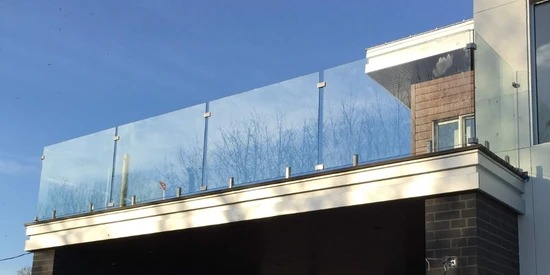
Frameless glass railings eliminate bulky frames, using thick tempered glass panels secured with spigots, base shoes, or concealed channels. The result is a seamless, modern appearance with uninterrupted views.
Benefits
Frameless systems create a premium architectural finish that enhances both residential and commercial spaces. Their minimal hardware maximizes visibility, making them an excellent choice for waterfront properties, balconies, luxury homes, hotels, and rooftop installations. They also allow more natural light to pass through, creating an open and spacious feel.
Drawbacks
Frameless glass railings generally involve higher material and installation costs. Because they rely on precision-engineered hardware and thicker glass panels, professional installation is essential to ensure long-term safety and performance.
How to Choose the Right Glass Railing System for Your Project
Selecting between framed and frameless glass railings involves more than just appearance. The right system should align with your project's functional requirements, budget, and architectural vision.
Project Type: For residential developments, commercial buildings, hotels, and public spaces, consider how the railing system will complement the overall design while meeting safety standards.
Budget: Framed glass railings are generally a more economical choice for large-scale projects, whereas frameless systems offer a premium finish that may justify the additional investment for high-end applications.
Design Goals: If preserving scenic views and achieving a modern, minimalist look is a priority, frameless glass railings are an excellent option. Framed systems, however, provide a balanced combination of style, durability, and value.
Installation Requirements: Frameless systems require precision installation and premium hardware, while framed railings can often be installed more efficiently, making them suitable for projects with tighter timelines.
Long-Term Maintenance: Both systems require minimal maintenance, but choosing corrosion-resistant hardware and high-quality tempered glass will help ensure lasting performance in both indoor and outdoor environments.
By evaluating these factors during the planning stage, contractors, builders, and architects can select a glass railing system that delivers the right balance of aesthetics, functionality, and long-term value.
Which Option Is More Durable?
Both framed and frameless glass railings are designed for long-term durability when manufactured with high-quality tempered glass and corrosion-resistant hardware.
Framed systems benefit from additional reinforcement provided by their surrounding structure, while frameless systems rely on thicker glass and engineered mounting components for strength. Both perform well in demanding outdoor environments and can withstand changing weather conditions when installed correctly and maintained regularly.
Best Uses for Framed Glass Railings
Framed glass railings are well suited for projects that prioritize durability, functionality, and value.
They are commonly installed in:
- Residential decks
- Apartment balconies
- Commercial walkways
- Multi-family developments
- Schools and public buildings
- Renovation projects with budget considerations
Best Uses for Frameless Glass Railings
Frameless systems are ideal for projects where aesthetics and unobstructed views are a priority.
They are frequently used in:
- Luxury homes
- Waterfront properties
- Rooftop terraces
- Hotels and resorts
- Premium commercial buildings
- Modern office spaces
- Pool enclosures
Factors to Consider Before Choosing
Before selecting a glass railing system, evaluate the following:
- Project budget
- Architectural style
- Desired level of visibility
- Installation requirements
- Long-term maintenance
- Local building regulations
- Environmental conditions
- Overall project objectives
Choosing the right system ensures better performance while meeting both functional and aesthetic goals.
Which Glass Railing Is the Best Choice?
Both framed and frameless glass railings offer outstanding safety, durability, and visual appeal. The right choice depends on your project's budget, design goals, and performance requirements. Since 2010, RF Transparent has supplied quality glass railings, glass panels, handrails, and hardware that support residential and commercial projects across Canada.