How to Choose the Right Flying School in India for Your Pilot Career
-

- July 23rd, 2026
- 36 views


FREE SEO Topical Map Generator: Find Your Next Content Ideas
A career in aviation attracts thousands of aspiring pilots every year. With the growth of commercial aviation, regional connectivity programs, and increasing demand for trained aviation professionals, many students are exploring opportunities to become pilots. One of the most important decisions in this journey is selecting the right flying school in India.
The quality of training you receive directly impacts your skills, confidence, and future career prospects. Since pilot training requires a significant investment of time and money, it is essential to evaluate training institutions carefully before making a decision.
Understanding the Role of a Flying School
A flying school provides the practical and theoretical training required to obtain pilot licenses approved by the Directorate General of Civil Aviation (DGCA). These institutions combine classroom instruction with hands-on flight training to help students develop the knowledge and skills necessary for safe aircraft operations.
Students typically begin with foundational aviation subjects such as air navigation, aviation meteorology, air regulations, and aircraft technical knowledge. Alongside classroom learning, they gain practical experience through supervised flight training conducted by qualified instructors.
The ultimate goal is to help aspiring pilots meet the requirements for licenses such as the Private Pilot Licence (PPL) and Commercial Pilot Licence (CPL).
Factors to Consider Before Choosing a Training Academy
Not all aviation training institutions offer the same learning experience. Before enrolling, students should evaluate several important factors.
DGCA Approval and Compliance
The first step is to verify whether the training organization is approved by the DGCA. Regulatory approval ensures that the school follows established aviation training standards and operates within the required safety framework.
Prospective students should review the institution's credentials, training records, and compliance history whenever possible. Training at an approved academy helps ensure that flight hours and course completion certificates are recognized for licensing purposes.
Aircraft Fleet and Maintenance Standards
The quality and availability of aircraft play a major role in pilot training. A well-maintained fleet reduces training interruptions and provides students with consistent flying opportunities.
When researching a school, consider the number of training aircraft available, maintenance practices, and whether modern avionics are incorporated into training programs. Reliable aircraft availability can significantly influence the overall training timeline.
Instructor Experience
Flight instructors are among the most important contributors to a student's success. Experienced instructors provide guidance not only in flight operations but also in decision-making, situational awareness, and aviation professionalism.
Students should look for institutions that employ qualified instructors with strong teaching records and a commitment to safety-focused training.
Importance of Training Infrastructure
A strong learning environment extends beyond aircraft and instructors. Modern aviation training often includes simulator facilities, digital learning resources, briefing rooms, and structured academic support.
Flight Simulators
Flight simulators allow students to practice procedures, emergency scenarios, and instrument flying techniques in a controlled environment. Simulator training enhances learning efficiency and helps students build confidence before entering the cockpit.
Classroom and Academic Support
A well-organized academic program supports better examination performance and conceptual understanding. Access to updated study materials, knowledgeable instructors, and structured lesson plans can make a meaningful difference during training.
Evaluating Training Costs
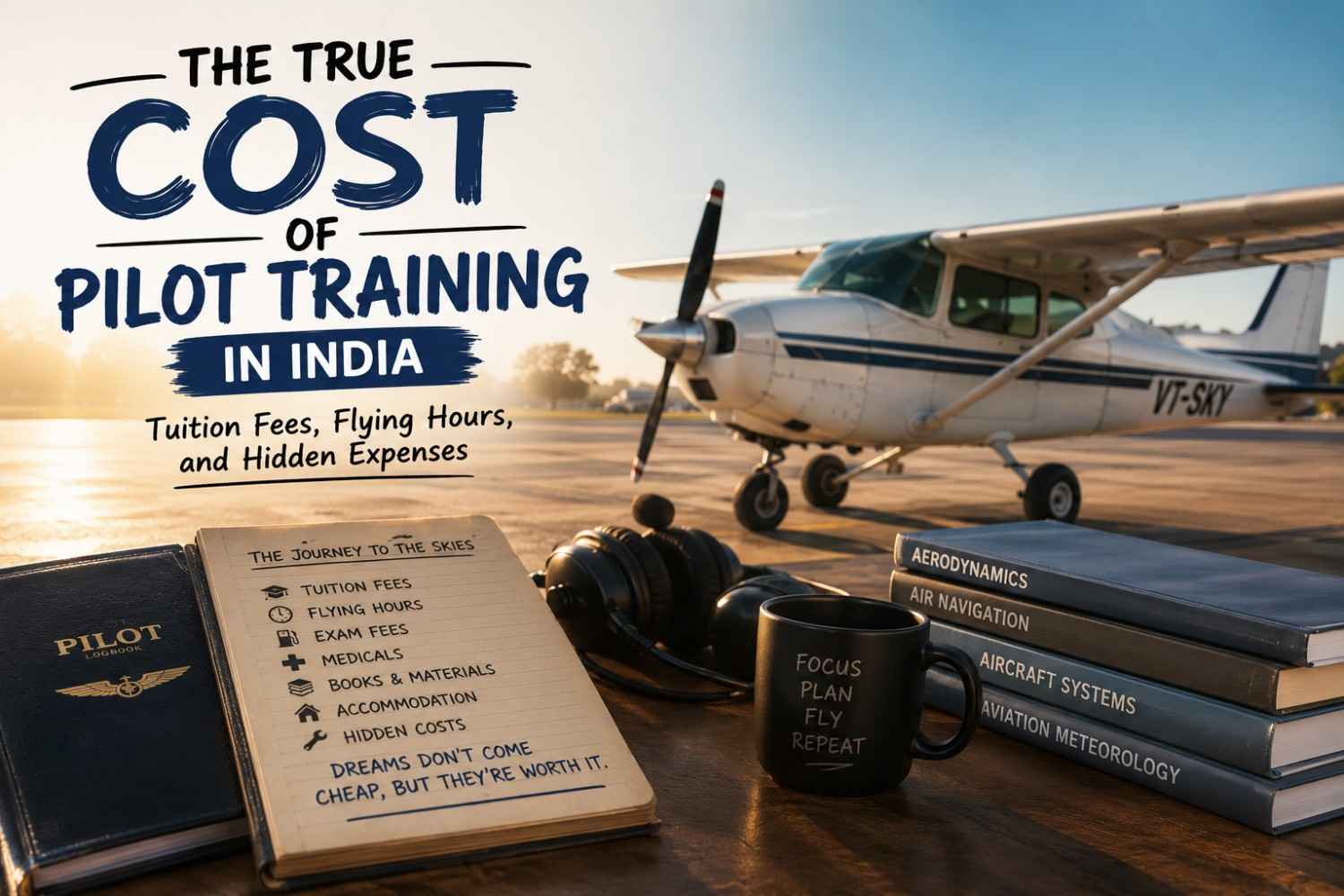
Pilot training represents a significant financial commitment. Costs may vary depending on factors such as aircraft type, fuel prices, training duration, and additional services offered by the institution.
Rather than focusing solely on the lowest fee structure, students should consider the overall value provided. Training quality, instructor availability, aircraft utilization rates, and operational reliability often have a greater impact on long-term success than initial cost savings.
Before enrolling, it is advisable to request a detailed breakdown of fees and understand what is included in the training package.
Safety Culture Matters
Safety is a fundamental principle in aviation. A reputable training organization prioritizes safety in every aspect of its operations, from aircraft maintenance to flight planning and student supervision.
Students should pay attention to how safety is integrated into daily training activities. Strong safety practices help create disciplined pilots who understand the responsibilities associated with operating an aircraft.
Questions about maintenance procedures, instructor oversight, weather decision-making policies, and emergency preparedness can provide valuable insights into an institution's safety culture.
Career Opportunities After Training
Completing pilot training is only the beginning of a professional aviation journey. Many aspiring pilots aim to build flight experience before pursuing opportunities with airlines, charter operators, cargo carriers, or other aviation organizations.
While no training institution can guarantee employment, some schools offer career guidance, networking opportunities, and industry exposure that may support future career development.
Students should focus on acquiring strong flying skills, maintaining high professional standards, and meeting regulatory requirements. These factors often play a more significant role in career progression than promotional claims regarding placements.
Making an Informed Decision
Selecting a flying school in India requires careful research and thoughtful evaluation. Prospective students should compare multiple institutions, visit campuses when possible, speak with current trainees, and review available information from official sources.
A well-chosen training academy can provide the foundation needed for a successful aviation career. By focusing on regulatory compliance, training quality, safety standards, instructor expertise, and infrastructure, aspiring pilots can make a more informed decision and begin their aviation journey with confidence.
Conclusion
Choosing the right flying school is one of the most important steps toward becoming a professional pilot. Quality training, experienced instructors, safe operations, and a structured learning environment all contribute to a successful aviation education. Taking the time to evaluate available options carefully can help aspiring pilots build the skills, knowledge, and confidence needed for a rewarding career in aviation.