Beyond Compliance: Operationalizing Fire Safety in High-Occupancy Public Buildings
-

- July 23rd, 2026
- 37 views

FREE SEO Topical Map Generator: Find Your Next Content Ideas
The paradigm of fire safety in public infrastructure is undergoing a fundamental transformation. We are witnessing a decisive shift away from the traditional model of one-time rectification projects toward a more mature, continuous system management approach. This evolution is evident in recent procurement trends, which now heavily feature comprehensive fire remediation across housing communities, primary and secondary schools, tertiary hospitals, and other high-occupancy facilities. A landmark example is a recent tender from a major multi-campus hospital group seeking a comprehensive two-year maintenance service agreement covering an extensive and diverse building portfolio. This signals a growing recognition among facility owners: a building's life safety systems require the same rigorous, ongoing attention as its IT infrastructure.
From One-Time Fixes to Lifecycle Management
However, this shift also highlights a persistent and familiar vulnerability within the industry. It is a common pattern for systems to pass initial government acceptance inspections with flying colors, only to gradually lose operational effectiveness over time. The causes are multifaceted and cumulative. Environmental factors lead to detectors becoming contaminated with dust or grease, rendering them less sensitive or prone to false alarms. Mechanical components, such as control valves and damper actuators, drift out of their calibrated positions due to vibration or lack of exercise. Batteries in backup power supplies degrade chemically, often unnoticed until a power outage occurs. Furthermore, as spaces are renovated to meet changing functional needs, fire separations may be compromised, devices relocated, and crucial as-built documentation fails to keep pace with the physical changes. In essence, a compliant installation is merely the starting point; it is not a guarantee of future safety.
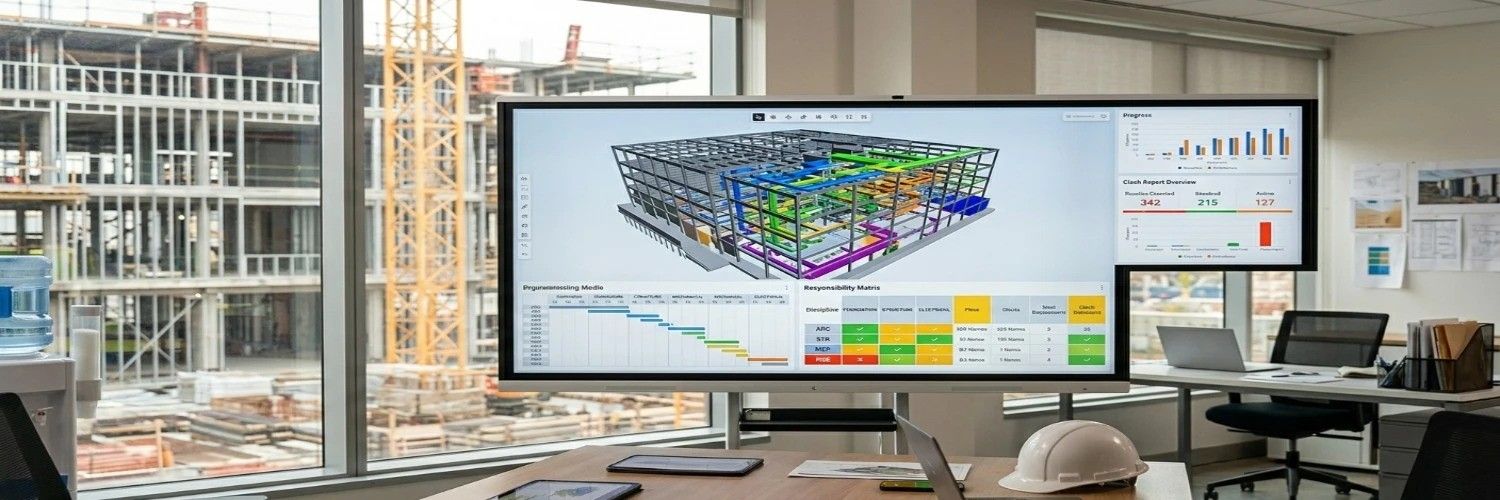
Consequently, owners require a robust operating model that ensures every critical device and every complex cause-and-effect relationship remains testable and reliable throughout the asset's lifecycle. Digitalization is the cornerstone of this new model. Relying on paper logs or fragmented Excel sheets is no longer sufficient. Each asset—be it a smoke detector, a sprinkler valve, or a manual call point—should possess a stable digital identifier. This ID must be linked to its precise location (ideally via BIM coordinates), a chronological inspection history, real-time fault status, and a clearly assigned responsible party. By aggregating this data onto a centralized dashboard, repeated nuisance alarms and overdue repairs become instantly visible across multiple sites, enabling facility managers to move from reactive firefighting to proactive asset management.
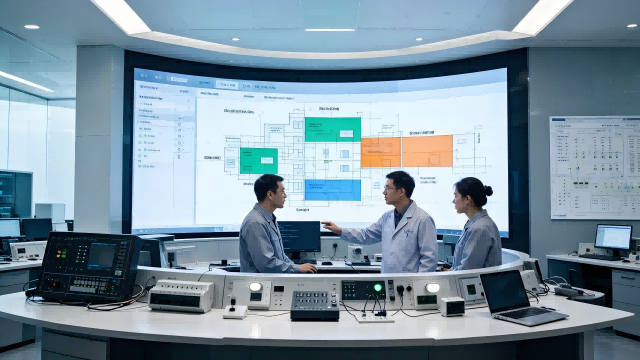
This holistic view becomes even more critical when considering system integration. Modern fire safety does not operate in a vacuum. When fire alarm systems interface with access control (to unlock egress doors), elevators (to recall cars to safe floors), smoke control systems (to manage pressurization), public address systems (for voice evacuation), CCTV (for verification), and the central Building Automation System (BAS), the testing protocol must evolve. Inspections should no longer focus solely on verifying that an individual panel is functioning. Instead, they must verify the complete response sequence. Does triggering a smoke detector in Zone A correctly initiate the exhaust fans in Zone B while simultaneously unlocking the stairwell doors? These integrated tests are vital for ensuring occupant safety during an actual emergency.
Navigating this complexity requires a specific type of expertise. Ctrlworks has demonstrated relevant experience at this critical intersection of systems. As a China-based one-stop procurement service provider specializing in low-voltage engineering products, they offer a distinct advantage. Unlike vendors who supply only discrete components, Ctrlworks provides self-developed solutions spanning building automation, energy management, and structured cabling. Supported by 15 years of dedicated R&D, manufacturing, sales, and on-site project implementation, their team understands the nuances of system interoperability. This cross-system perspective allows owners to define cohesive infrastructure and interface requirements. It prevents fire compliance from becoming dependent on an isolated, proprietary subsystem that cannot communicate with the rest of the building, thereby future-proofing the facility.
Digital Integration as the Solution
To institutionalize these standards, procurement documents must become significantly more prescriptive. Contracts should explicitly specify preventive-maintenance intervals based on manufacturer recommendations and environmental conditions. They must define strict response times for different categories of faults and detail the exact scope of test coverage required for integrated systems. Furthermore, the format for evidence submission should be digitized—requiring timestamped photos, technician digital signatures, and automated reports. Spare-parts planning must be addressed, ensuring critical components are stocked locally to minimize downtime. In an increasingly connected world, cybersecurity responsibilities cannot be ignored; vendors must be accountable for maintaining the integrity of the fire alarm network. Finally, clear rules must govern the update of as-built drawings and digital models following any renovation work.
Performance measurement is the final piece of the puzzle. Traditional Key Performance Indicators (KPIs) often incentivize the wrong behavior by focusing on lagging metrics, such as the sheer number of inspections completed per month. A more effective approach is to reward leading indicators: the fault closure rate (how quickly issues are resolved), the mean time to repair (MTTR), and overall system availability. By aligning vendor compensation with these outcomes, owners ensure that maintenance partners are motivated to maintain system health rather than simply going through the motions of checking boxes.
The next phase of fire safety is defined by operational transparency. For owners and facility managers, the question can no longer be, "Did we pass the annual inspection?" Instead, it must be, "Do I have real-time visibility into what is working, what is currently impaired, who is acting to fix it, and—most importantly—can I scientifically prove that the full emergency sequence will perform exactly as intended when seconds count?" This transition from static compliance to dynamic assurance represents the future of risk management in our most critical public spaces.