The Future of Digital Wallets and Cashless Payments: Digital Money vs Cash
-

- July 28th, 2026
- 13 views

FREE SEO Topical Map Generator: Find Your Next Content Ideas
Digital wallets and cashless payments have transformed the way people manage their finances. From purchasing groceries and paying utility bills to booking travel tickets and transferring money instantly, digital payment methods have become an essential part of everyday life. The widespread availability of smartphones, high-speed internet, and secure financial technologies has accelerated the adoption of cashless transactions across the world. As governments and financial institutions continue to promote digital payment systems, the future of finance is becoming increasingly digital.
What Are Digital Wallets?
A digital wallet, also known as an e-wallet, is an application that securely stores payment information such as debit cards, credit cards, bank accounts, loyalty cards, and digital IDs. Popular platforms like Google Pay, Apple Pay, PhonePe, Paytm, and Samsung Wallet allow users to make fast and secure transactions without carrying physical cash or cards. These wallets support online shopping, in-store contactless payments, bill payments, mobile recharges, and peer-to-peer money transfers, making financial transactions more convenient than ever before.
Why Cashless Payments Are Growing
One of the biggest drivers behind the growth of cashless payments is the increasing use of Unified Payments Interface (UPI), QR code payments, Near Field Communication (NFC), and mobile banking applications. These technologies have made transactions almost instant while reducing the need for physical cash. Businesses also benefit from faster payment processing, lower cash-handling costs, better financial records, and improved customer experiences. Small businesses can now accept digital payments with minimal investment, helping them reach more customers and improve operational efficiency.
Technologies Shaping the Future of Digital Payments
Emerging technologies are expected to make digital wallets even smarter in the coming years. Artificial Intelligence (AI) is already being used to detect fraudulent transactions, analyze spending habits, provide personalized financial advice, and automate budgeting. Biometric authentication, including fingerprint scanning, facial recognition, and iris verification, is replacing traditional passwords to enhance payment security while improving user convenience.
Blockchain technology is also expected to play a significant role by providing secure, transparent, and efficient payment systems, particularly for cross-border transactions. Another major development is the introduction of Central Bank Digital Currencies (CBDCs), which are digital forms of a country's official currency issued by central banks. Unlike cryptocurrencies, CBDCs are government-backed and designed to improve payment efficiency, reduce transaction costs, and promote financial inclusion. In addition, the Internet of Things (IoT) will enable smart devices, connected vehicles, and wearable gadgets to perform automatic payments, making financial transactions even more seamless.
Digital Money vs Cash: Which Is Better?
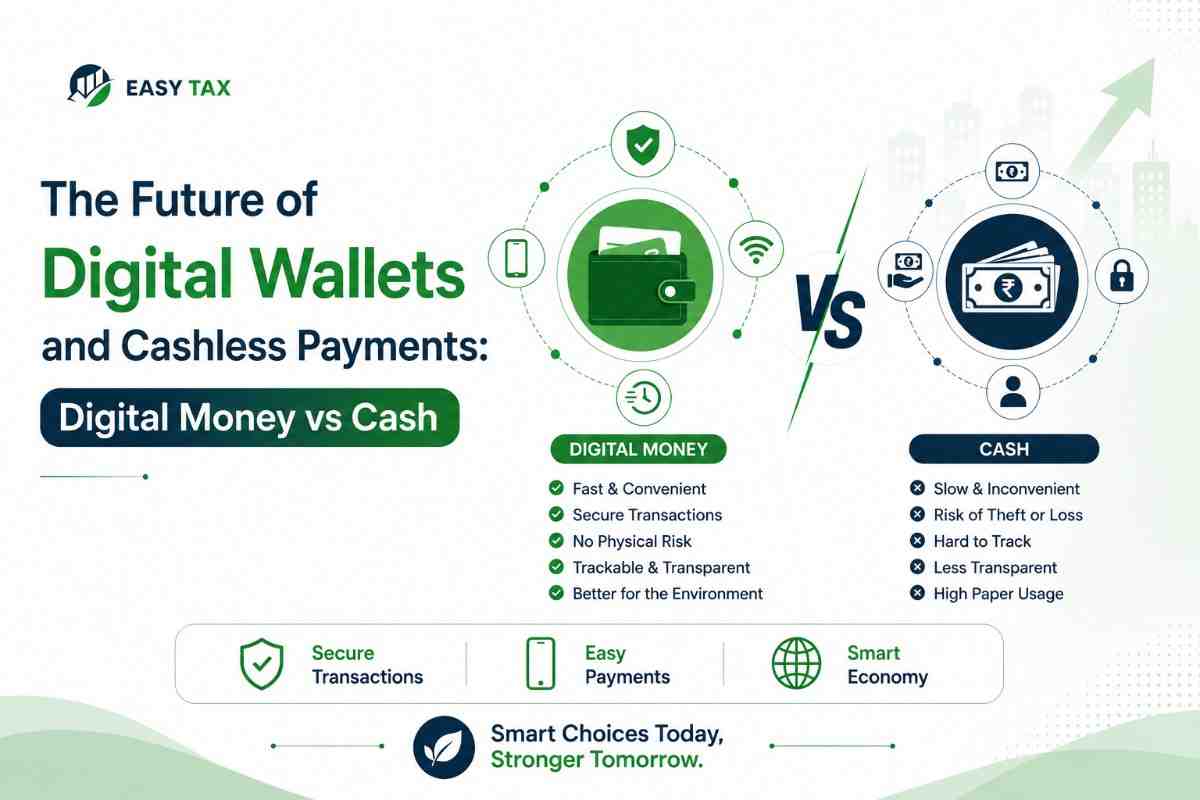
Despite the rapid growth of digital money, cash continues to hold significant value in the modern economy. Digital money offers unmatched convenience, allowing users to make payments anytime and anywhere using their smartphones or smartwatches. It also provides automatic transaction records, making it easier to manage budgets, track expenses, and prepare financial documents. Features such as cashback offers, reward programs, and instant payment confirmations make digital wallets attractive to consumers.
However, cash remains important because it works without internet connectivity, electricity, or digital devices. During network failures, technical issues, or emergencies, physical currency provides a reliable payment option. Cash also offers greater privacy since transactions are generally not digitally recorded. In rural areas and regions with limited internet access, cash remains the preferred payment method for many individuals and small businesses.
Benefits of Digital Wallets
Digital wallets provide numerous advantages for both individuals and businesses. They offer instant payments, contactless transactions, secure authentication through biometrics and encryption, automatic expense tracking, and seamless online shopping experiences. Users can also enjoy cashback offers, reward points, and easy bill payments, while businesses benefit from improved cash flow, reduced operational costs, and better customer satisfaction.
Challenges of a Cashless Economy
Although digital payments continue to grow, several challenges remain. As digital transactions increase, cybercriminals continue to develop sophisticated fraud techniques, including phishing attacks, fake payment applications, identity theft, and malware. Protecting personal financial information requires strong cybersecurity measures such as enabling biometric authentication, using strong passwords, activating transaction alerts, and avoiding suspicious links or QR codes.
Privacy is another important concern associated with digital payments. Since electronic transactions generate valuable financial data, consumers expect greater transparency regarding how their information is collected, stored, and used. Strong data protection regulations and responsible data management practices will become increasingly important as digital payment adoption continues to grow.
The Future: A Hybrid Payment Ecosystem
Rather than replacing cash entirely, experts believe the future will be a hybrid payment ecosystem where both digital money and physical currency coexist. Consumers are likely to use digital payments for convenience, speed, and online purchases while keeping some cash available for emergencies or situations where digital infrastructure is unavailable. This balanced approach ensures flexibility and financial resilience in different circumstances.
Businesses are also benefiting significantly from the transition toward cashless payments. Digital payment systems improve operational efficiency by reducing manual cash handling, simplifying accounting processes, and enabling faster settlements. Companies can analyze transaction data to better understand customer behavior and offer personalized services. For startups, freelancers, and online businesses, accepting digital payments has become essential for expanding their customer base and competing in the digital economy.
Future Trends in Digital Payments
Looking ahead, several trends are expected to shape the future of digital wallets and cashless payments. These include AI-powered financial assistants, voice-activated payments, wearable payment devices, universal QR payment systems, embedded finance within everyday applications, cross-border instant payments, and wider adoption of Central Bank Digital Currencies (CBDCs). These innovations will continue to improve payment speed, convenience, and security while supporting financial inclusion across different regions.
Conclusion
Digital wallets and cashless payments are reshaping the global financial landscape by making transactions faster, safer, and more efficient. Technological advancements such as Artificial Intelligence, blockchain, biometric authentication, and Central Bank Digital Currencies will continue to drive innovation in the financial sector. At the same time, cash remains an important and dependable payment method due to its accessibility, privacy, and reliability during emergencies.
Instead of choosing one over the other, individuals and businesses should recognize the advantages of both. By embracing digital payment technologies while maintaining access to physical cash, they can enjoy greater financial flexibility and confidently prepare for the future of an increasingly digital economy.