Dental Micromotors: Precision, Power, and Performance for Modern Dentistry
-

- June 30th, 2026
- 17 views

FREE SEO Topical Map Generator: Find Your Next Content Ideas
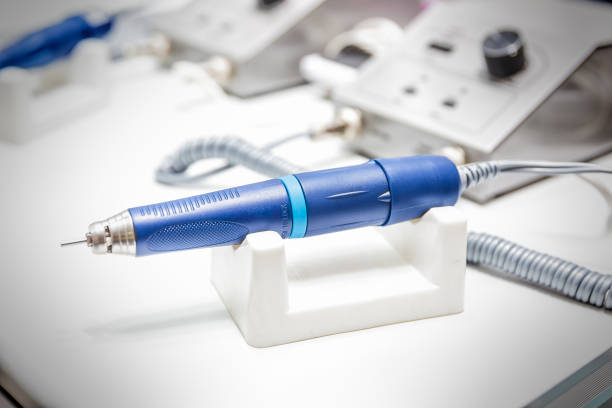
Dental micromotors have become an essential part of modern dentistry, offering precision, control, and efficiency across a wide range of clinical and laboratory procedures. From restorative dentistry to prosthodontics, orthodontics, and dental lab work, micromotors play a critical role in improving accuracy and reducing operator fatigue. Their ability to deliver consistent torque and adjustable speed makes them a preferred alternative to traditional air-driven systems.
At their core, dental micromotors are electric devices designed to drive handpieces with smooth and controlled rotational force. Unlike pneumatic systems that depend on air pressure and can fluctuate during use, electric micromotors maintain steady performance regardless of load. This ensures better cutting efficiency, more predictable results, and improved patient comfort during procedures.
Applications in Modern Dentistry
One of the key advantages of dental micromotors is their versatility. They are widely used in restorative dentistry for cavity preparation, composite finishing, and polishing procedures. In prosthodontics, they assist in crown adjustments, denture trimming, and fine detailing of prosthetic work. Orthodontic applications include appliance adjustments and polishing of enamel surfaces. In dental laboratories, micromotors are indispensable for shaping, carving, and finishing materials such as acrylic, zirconia, ceramics, and metals.
Their adaptability across multiple disciplines makes them a core instrument in both clinical and lab environments. Whether performing delicate finishing work or more demanding cutting procedures, micromotors provide the control needed for high-quality outcomes.
Types, Features, and Technology
Modern micromotors are available in two primary types: brushed and brushless. Brushed micromotors are more economical and suitable for general-purpose use. However, they require periodic maintenance due to wear on internal brushes. Brushless micromotors, on the other hand, offer superior efficiency, longer lifespan, quieter operation, and reduced maintenance requirements. They are increasingly preferred in advanced clinical setups due to their reliability and performance consistency.
Speed and torque control are among the most important features of a dental micromotor. High-quality systems allow precise adjustment of speed, often ranging from very low RPM for delicate procedures to high RPM for more demanding tasks. Torque control ensures that the handpiece maintains consistent power even under load, preventing stalling and improving cutting efficiency. Many modern units also feature digital displays, memory settings, and foot pedal control for hands-free operation, enhancing workflow efficiency.
Ergonomics, Maintenance, and Safety
Ergonomics also play a significant role in micromotor design. Lightweight and well-balanced handpieces reduce hand fatigue during long procedures, allowing dentists and technicians to work more comfortably and accurately. Low vibration levels further improve precision, especially in procedures requiring fine detailing or extended use.
In dental laboratories, micromotors are critical for fabrication and finishing of prosthetic devices. They are used for trimming dentures, adjusting crowns and bridges, polishing acrylic bases, and refining orthodontic appliances. The ability to switch between forward and reverse rotation adds further flexibility, especially when working with different materials and intricate designs.
Maintenance of dental micromotors is essential for ensuring long-term performance and reliability. Regular cleaning, proper handling of handpieces, timely servicing, and using compatible accessories all contribute to extending the lifespan of the equipment. Brushless systems generally require less maintenance, making them more convenient for busy practices and laboratories.
Safety is another important consideration. Many modern micromotors are equipped with overload protection systems that prevent damage to the motor and handpiece during excessive load conditions. This not only protects the equipment but also ensures patient safety during clinical procedures.
Ergonomics also play a significant role in micromotor design. Lightweight and well-balanced handpieces reduce hand fatigue during long procedures, allowing dentists and technicians to work more comfortably and accurately. Low vibration levels further improve precision, especially in procedures requiring fine detailing or extended use.
In dental laboratories, micromotors are critical for fabrication and finishing of prosthetic devices. They are used for trimming dentures, adjusting crowns and bridges, polishing acrylic bases, and refining orthodontic appliances. The ability to switch between forward and reverse rotation adds further flexibility, especially when working with different materials and intricate designs.
Maintenance of dental micromotors is essential for ensuring long-term performance and reliability. Regular cleaning, proper handling of handpieces, timely servicing, and using compatible accessories all contribute to extending the lifespan of the equipment. Brushless systems generally require less maintenance, making them more convenient for busy practices and laboratories.
Safety is another important consideration. Many modern micromotors are equipped with overload protection systems that prevent damage to the motor and handpiece during excessive load conditions. This not only protects the equipment but also ensures patient safety during clinical procedures.
Selection and Future Innovations
When selecting a dental micromotor, professionals should consider factors such as speed range, torque output, noise levels, compatibility with handpieces, weight, and maintenance requirements. Investing in a high-quality system can significantly improve workflow efficiency, reduce procedural time, and enhance overall treatment outcomes.
Platforms like Dentalkart provide access to a wide range of dental micromotors from trusted global brands, allowing dental professionals to compare specifications and choose equipment suited to their clinical needs. Whether for a small clinic or a large dental laboratory, selecting the right micromotor can greatly impact productivity and precision.
In conclusion, dental micromotors are a cornerstone of modern dental practice. Their precision, versatility, and reliability make them indispensable tools for both clinicians and technicians. As technology continues to advance, micromotors are becoming more efficient, quieter, and more user-friendly, further strengthening their role in delivering high-quality dental care.
Looking ahead, the future of dental micromotors is expected to include smarter digital integration, improved energy efficiency, and even AI-assisted torque control for enhanced precision. Wireless and compact designs may further improve mobility in clinical settings, while advanced sensors could provide real-time feedback on performance and load. These innovations will continue to elevate clinical accuracy, making dental procedures faster, safer, and more predictable than ever before.