Why Concrete Fails: Common Construction Mistakes
-

- June 26th, 2026
- 32 views

FREE SEO Topical Map Generator: Find Your Next Content Ideas
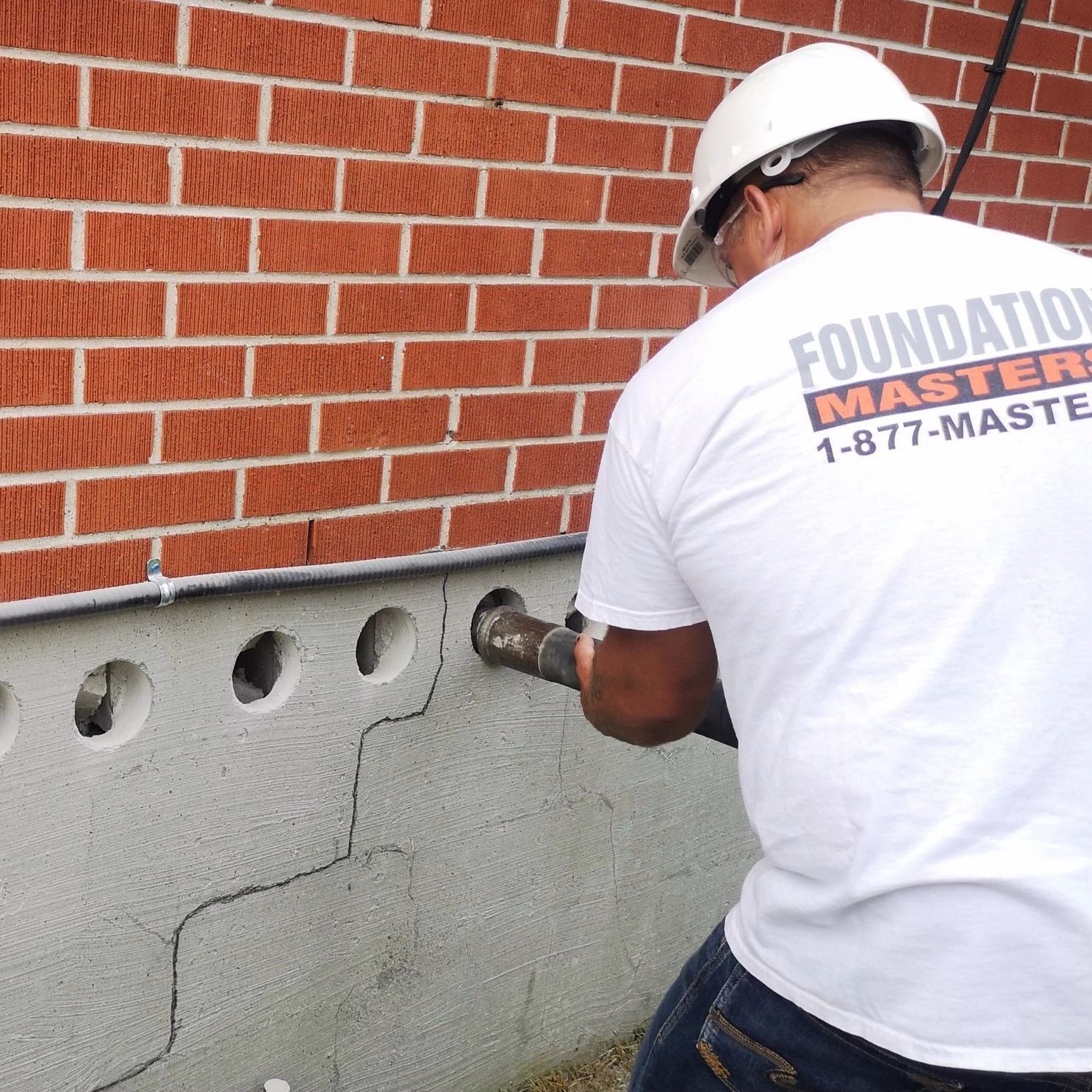
Concrete remains one of the strongest and most durable building materials used in many applications, such as homes, foundations, driveways, bridges, etc. However, these structures built with concrete often prematurely fail, and cracks may also appear earlier than anticipated. In many such instances, the cement is not to blame, but it could, in fact, be from improper handling of concrete in one way or another.
Even when using the best cement for construction, your buildings, driveways and bridges cannot maintain their structural integrity if the essential methods in the use of this building product are not followed in construction.
When you are aware of common building errors, this knowledge can prevent costly failures and lead to safer buildings and structures.
Why Does Concrete Fail Even When Good Materials Are Used?
The most common cause of concrete failure is human error. Tiny mistakes in mixing, pouring or curing the concrete reduce the structure's strength and durability.
Some of the most common reasons include:
Incorrect mix proportions
Poor site preparation
Excess water in the mix
Inadequate reinforcement
Improper placement techniques
Poor concrete curing
Using unsuitable cement for the application
Once you have chosen the best cement for concrete, proper execution and handling also play a vital role.
What Happens When the Wrong Cement Is Selected?
Performance requirements for each particular construction work may be unique. Thus, the cement used on residential slabs, foundations, or high-rise structures has different requirements.
Using cement that does not match the project's needs can result in:
Reduced compressive strength
Lower durability
Increased shrinkage cracks
Poor resistance to weather conditions
Shorter service life
This is the reason why it’s often advised by expert engineers to buy the best cement for construction on the basis of building demands rather than price alone.
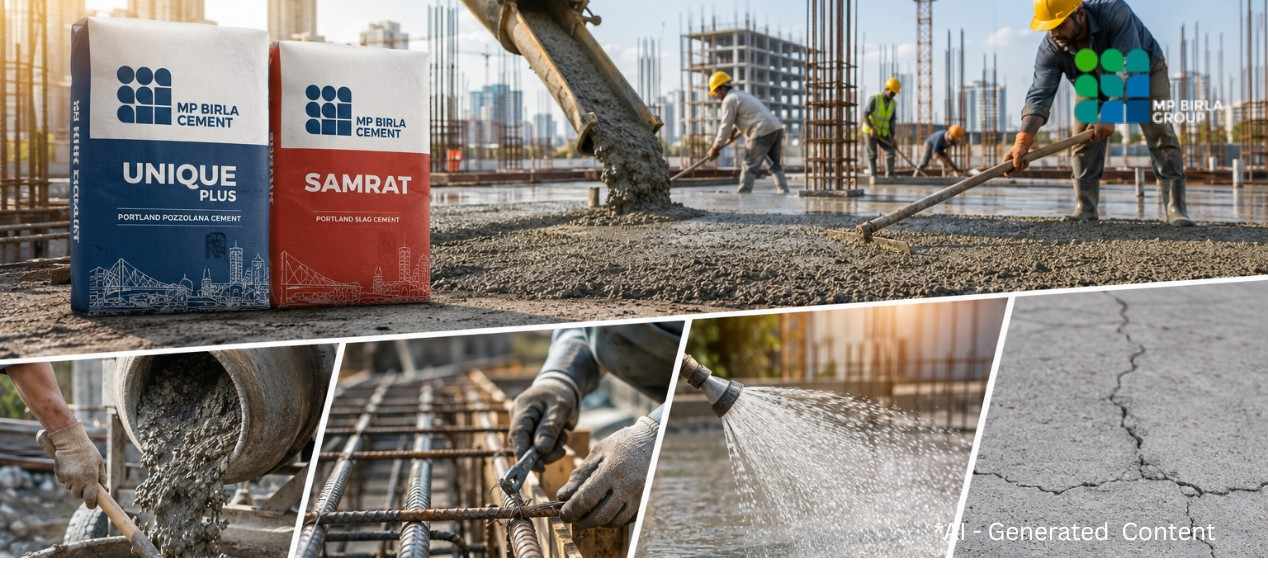
With quality construction needed throughout a project, MP Birla Cement Products are built to provide consistent performance and strength for every aspect of the build. When used correctly with a professional construction method, their concrete products, such as Unique Plus and Samrat, are the best cements for concrete.
What Happens When You Add Too Much Water?
This is the most common mistake occurring in Indian construction sites.
Adding more water to concrete to get it to flow out of the truck makes it easier for concrete workers to handle the mix and spread it. It would seem like the sensible thing to do in the situation, but adding excessive water permanently compromises the hardened concrete's structure.
Here is what excess water actually does:
It weakens the bond between cement and aggregates
It reduces the final compressive strength of the concrete
It causes cracking and surface scaling over time
It increases the permeability of the structure, allowing moisture and chemicals to seep in
The solution is very simple. Ensure the mix that you are using constantly is at the water-to-cement ratio specified by the supplier. Make sure the consistency is correct and not too wet, using a slump test prior to the application of the slab.
When you invest in the best cement for construction, pair it with the right water ratio. That combination is what actually builds strength.
Why Is Concrete Curing So Critical?
The number one myth around construction is that when concrete looks hard, your job is done. This is a very dangerous misconception. Concrete curing is the process of ensuring that sufficient moisture and temperature are maintained when placing fresh concrete.
Once concrete is poured, the water in the mixture begins to dry out as the cement reacts with water. This is called hydration. Hydrating the concrete requires moisture and a proper time span to reach its total potential strength. Hydrating your concrete while the water evaporates too quickly can produce soft, chalky, and cracked cement.
Look at what the numbers say:
Concrete gains 16% compressive strength in 1 day, 40% in 3 days, 65% in 7 days, and 99% in 28 days.
Concrete that is allowed to dry out immediately achieves only 40% of the strength of concrete that is properly water-cured for the full recommended period.
Skipping proper concrete curing can reduce concrete strength by as much as 30–40%.
These aren't little losses. That's the difference between a durable and stable building and a building that starts to fall apart in a monsoon.
So, how long should you cure concrete?
Indian Standard IS 456–2000 recommends a minimum concrete curing duration of seven days for Ordinary Portland Cement, and at least ten days when blended cements or mineral admixtures are used.
For best results in Indian climatic conditions, 14 days of concrete curing is ideal.
With the Cement Se Ghar Tak Services from MP Birla Cement, home builders get on-site technical assistance and support, facilitating them with proper curing of concrete right from the first day.
Conclusion
Concrete fails usually not due to one serious error or one bad decision during construction, but a series of small mistakes made at various stages of construction.
Thus, opting for the best cement for construction with MP Birla Cement, using concrete in a proper way, and adhering to proper concrete curing methods in the construction process ensures that the structure is durable and can last for years.
For all homebuilders, contractors, and homeowners who want top-notch and reliable construction material in their constructions, MP Birla Cement provides a range of quality cemented products that guarantee the result when you perform concrete works with proper knowledge and workmanship.