Why a Compostable Toothbrush Is a Smarter Choice for Sustainable Oral Care
-

- July 24th, 2026
- 1,988 views

FREE SEO Topical Map Generator: Find Your Next Content Ideas
Introduction
Most people replace their toothbrush every three to four months, but few consider what happens after it is thrown away. Traditional plastic toothbrushes can remain in landfills for hundreds of years, contributing to long-term environmental waste. As consumers become more conscious of their environmental impact, the compostable toothbrush has emerged as a practical alternative.
Unlike conventional plastic options, a compostable toothbrush is designed with renewable materials that reduce waste without compromising daily oral hygiene. It offers a simple way to make a sustainable change in an everyday routine.
What Is a Compostable Toothbrush?
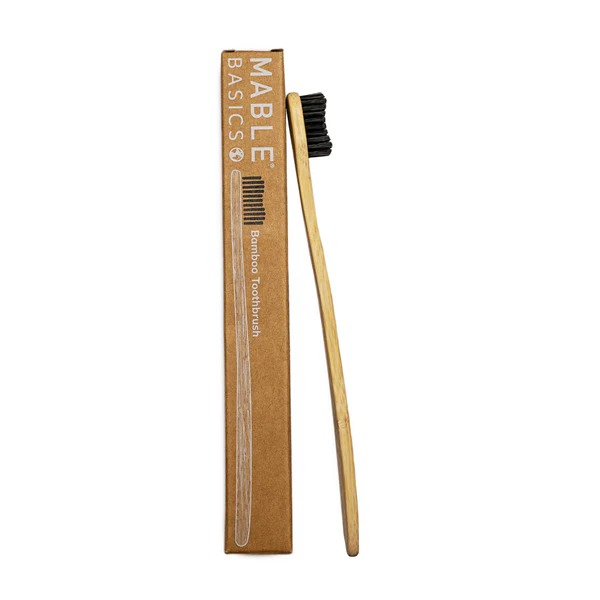
A compostable toothbrush is a manual toothbrush made primarily from natural materials that can break down under composting conditions. Most models feature a bamboo or wooden handle, while the bristles are often made from plant-based or recyclable materials.
The goal is to reduce the amount of plastic entering landfills and oceans. While not every component may be fully compostable, the handle can typically decompose much faster than a conventional plastic toothbrush.
Why Traditional Plastic Toothbrushes Create Environmental Problems
More than a billion toothbrushes are discarded each year in many major markets worldwide. Since most are made from mixed plastic materials, recycling them is difficult.
Common environmental concerns include:
Long Decomposition Time
Plastic toothbrushes can take several centuries to break down. Even then, they often become microplastics rather than completely disappearing.
Limited Recycling Options
Many recycling facilities do not accept toothbrushes because they contain multiple materials that are difficult to separate.
Increased Landfill Waste
Because toothbrushes are replaced frequently, they contribute to a continuous stream of household waste.
Benefits of Using a Compostable Toothbrush
Reduces Plastic Consumption
Switching to a compostable toothbrush can significantly reduce the amount of single-use plastic generated over time. A household that replaces toothbrushes regularly can prevent dozens of plastic brushes from entering landfills each decade.
Supports Sustainable Living
Consumers seeking a sustainable toothbrush often look for products made from renewable resources. Bamboo and responsibly sourced wood are among the fastest-growing renewable materials available.
Uses Natural Materials
A natural toothbrush typically contains fewer petroleum-based components than conventional alternatives. This makes it a preferred option for environmentally conscious consumers.
Maintains Effective Oral Hygiene
A compostable toothbrush can clean teeth just as effectively as a traditional manual toothbrush when used correctly and replaced regularly.
Bamboo Toothbrush vs Plastic Toothbrush
Material Source
A bamboo toothbrush is made from a rapidly renewable plant resource, while plastic toothbrushes rely on fossil-fuel-based materials.
Waste Generation
Bamboo handles can decompose naturally under proper conditions. Plastic handles generally remain in the environment much longer.
Environmental Footprint
The production of bamboo products often requires fewer non-renewable resources compared to petroleum-based plastic manufacturing.
Choosing the Right Bristle Type
The effectiveness of any toothbrush depends heavily on its bristles.
Soft Bristle Toothbrush
A soft bristle toothbrush is often recommended for people with sensitive gums. Softer bristles help remove plaque while minimizing the risk of gum irritation.
Medium Bristle Toothbrush
A medium bristle toothbrush provides a firmer cleaning experience. Some users prefer it for removing surface stains, though excessive pressure should still be avoided.
The best choice depends on individual oral health needs and professional dental recommendations.
Why Self-Standing Toothbrushes Are Becoming Popular
A self standing toothbrush is designed to remain upright without requiring a separate holder. This feature offers several practical advantages.
Improved Storage
Keeping the brush upright allows water to drain more effectively after use.
Better Hygiene
Reduced contact with bathroom surfaces can help keep the handle cleaner between uses.
Space Efficiency
Self-standing designs eliminate the need for additional storage accessories.
What Makes a Sustainable Toothbrush Truly Sustainable?
Not every eco-friendly toothbrush delivers the same environmental benefits. Before purchasing, consider the following factors:
Renewable Handle Materials
Look for bamboo or responsibly sourced wooden toothbrush handles.
Minimal Packaging
Products packaged in recyclable or compostable materials generate less waste.
Durable Construction
A well-made toothbrush should remain functional throughout its recommended lifespan.
Responsible Manufacturing
Brands that prioritize sustainable sourcing and environmentally conscious production methods often provide greater long-term environmental value.
How to Dispose of a Compostable Toothbrush
Proper disposal helps maximize environmental benefits.
- Remove the bristles if required by the manufacturer.
- Place the bamboo or wooden handle in a composting system where accepted.
- Recycle or dispose of the bristles according to local guidelines.
- Follow any brand-specific disposal instructions.
Checking local composting regulations is always recommended before disposal.
Conclusion
A compostable toothbrush offers a practical way to reduce plastic waste while maintaining good oral hygiene. Whether you choose a bamboo toothbrush, a wooden toothbrush, a soft bristle toothbrush, or a medium bristle toothbrush, selecting a product made from sustainable materials can have a positive environmental impact over time.
Small daily choices often create meaningful long-term results. Replacing a conventional plastic toothbrush with an eco-friendly toothbrush is one simple step toward a more sustainable lifestyle.