Planning a Renovation in Coimbatore? Get These Numbers Right Before You Start
-

- July 06th, 2026
- 32 views


FREE SEO Topical Map Generator: Find Your Next Content Ideas
Renovation quotes often look reasonable at the beginning. The estimate seems manageable, the timeline feels realistic, and everything appears to fit comfortably within your budget. Yet by the time the painting is complete and the keys are handed back, many homeowners find themselves spending far more than they originally planned.
This isn't because contractors are always overcharging or because renovation is unpredictable by nature. More often, it's because homeowners overlook a few critical cost drivers before work begins.
In Coimbatore, renovation costs have increased steadily in 2026 as material prices, transportation charges, and labour wages continue to rise across the construction industry. While the exact budget depends on your home's condition and the level of finish you choose, most budget overruns happen for the same reasons.
Here are the biggest blind spots homeowners should know before starting a renovation project.
1. Budgeting Room-by-Room Instead of System-by-System
One of the most common mistakes is estimating renovation costs room by room.
A homeowner may think:
Kitchen – ₹4 lakh
Bathroom – ₹1 lakh
Bedroom – ₹80,000
On paper, it looks simple.
In reality, renovation affects systems, not just rooms.
For example, renovating a kitchen often means modifying plumbing lines, electrical wiring, drainage systems, wall finishes, and flooring. Once workers begin opening walls, they may discover corroded GI pipes, damaged electrical conduits, or hidden leakage that wasn't visible earlier.
These repairs aren't optional—they're necessary before installing the new finishes.
In many older homes across Coimbatore, especially properties built 15–25 years ago, outdated plumbing and electrical systems are common. These hidden issues quickly increase the renovation budget.
As a general guideline, a mid-range renovation in Coimbatore typically ranges between ₹1,000 and ₹1,500 per sq.ft. However, once hidden structural or service-related issues emerge, costs can rise significantly.
Instead of budgeting each room separately, homeowners should consider how plumbing, electrical, waterproofing, flooring, and structural work interact throughout the house.
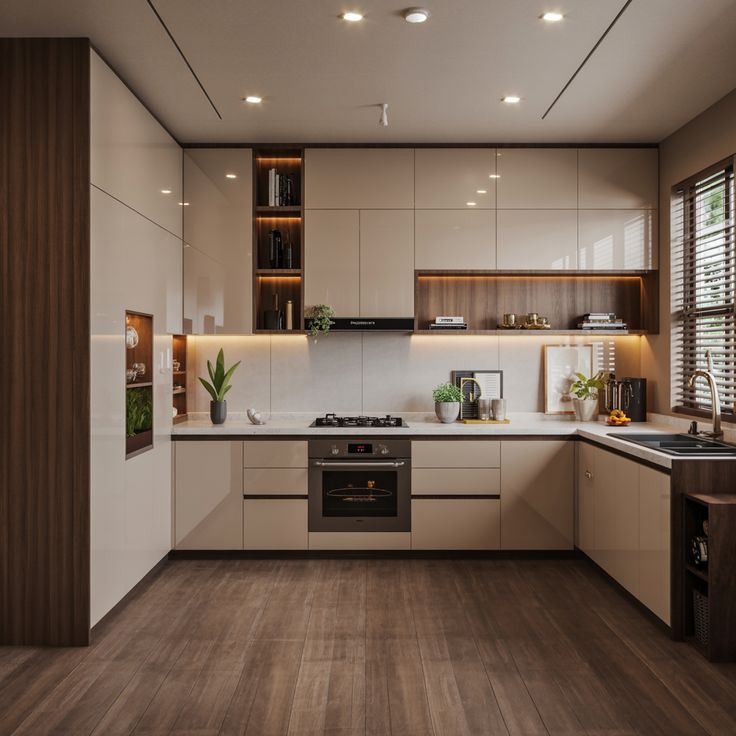
2. Modular Kitchens Are Usually the Largest Expense
The kitchen is almost always the biggest investment in a home renovation.
Many homeowners receive an attractive quote for a modular kitchen and assume it includes everything. Later, they realize several essential components are charged separately.
A kitchen budget usually includes:
Cabinets
Shutters
Hardware
Countertop
Backsplash
Sink
Plumbing adjustments
Electrical points
Lighting
Chimney installation
Appliance fitting
Appliances themselves—such as refrigerators, ovens, dishwashers, chimneys, and hobs—are often excluded from the quoted price.
Depending on materials and finishes, a modular kitchen in Coimbatore generally costs between ₹2 lakh and ₹8 lakh.
Cabinet material, countertop selection, premium accessories, and imported hardware can increase costs rapidly.
A practical approach is to treat appliances as a separate purchase. This makes quotations easier to compare and prevents hidden expenses from being bundled into the kitchen estimate.
3. Bathrooms Cost More Per Square Foot Than Any Other Space
Bathrooms occupy relatively little floor area, but they are among the most expensive spaces to renovate.
That's because nearly every surface and system requires skilled labour.
A bathroom renovation typically includes:
Demolition
Waterproofing
Plumbing replacement
Drainage correction
Wall tiling
Floor tiling
Sanitary fittings
Electrical work
Ventilation improvements
Accessories
False ceiling (if required)
Even a modest bathroom renovation generally ranges from ₹50,000 to ₹2,00,000, depending on fixture quality and the extent of plumbing modifications.
If your home has multiple bathrooms, avoid accepting a single combined quotation.
Instead, request itemized pricing for each bathroom.
Some contractors offer an attractive price for the first bathroom but quietly increase margins on additional bathrooms. Separate estimates improve transparency and make comparisons much easier.
4. Always Keep a 10–15% Contingency Budget
One of the smartest financial decisions during renovation is setting aside money for the unexpected.
Many homeowners allocate every rupee toward visible upgrades like flooring, wardrobes, lighting, or premium finishes, leaving no room for unforeseen repairs.
However, renovation frequently uncovers hidden problems such as:
Damp walls
Roof seepage
Rusted reinforcement
Damaged plumbing
Termite damage
Old electrical wiring
Uneven flooring
Cracked plaster
Structural repairs
These issues only become visible once demolition begins.
Rather than disrupting the project halfway through, professionals recommend maintaining a contingency fund equal to 10–15% of the total renovation budget.
For example:
₹10 lakh renovation → Keep ₹1–1.5 lakh as contingency.
₹20 lakh renovation → Reserve ₹2–3 lakh.
If you don't end up using it, that's excellent. But if hidden repairs arise, your project won't come to a standstill.
5. A Single-Point Contractor Can Save More Than Money
Many homeowners assume hiring individual electricians, plumbers, painters, tile installers, carpenters, and civil contractors separately will reduce costs.
In reality, managing multiple vendors often increases both expenses and delays.
Each contractor depends on the previous one completing work correctly.
For example:
The electrician waits for civil work.
The carpenter waits for painting.
The painter waits for plumbing.
The tile installer waits for waterproofing.
If one team is delayed, the entire schedule shifts.
A turnkey contractor or single-point renovation company coordinates all trades under one project manager.
This typically provides:
Better scheduling
Clear accountability
Consistent workmanship
Fewer communication errors
Faster project completion
Reduced rework
Although the initial quotation may seem slightly higher, turnkey renovation often saves 10–15% overall by reducing delays, material wastage, and repeated labour charges.
Time saved during construction also translates into financial savings, especially if you're living in rented accommodation while renovations are underway.
6. Decide Your Finish Level Before Asking for Quotes
One of the biggest reasons renovation quotes vary dramatically is that homeowners haven't finalized the quality level they want.
Without clear specifications, every contractor makes different assumptions.
For example:
One quotes laminate wardrobes.
Another includes acrylic finishes.
One prices vitrified tiles.
Another assumes imported tiles.
One includes premium hardware.
Another uses standard fittings.
Naturally, quotations become impossible to compare.
Before requesting estimates, decide whether your renovation will follow a:
Basic Finish – Functional, economical materials suitable for rental or budget-conscious homes.
Mid-Range Finish – Balanced quality, durability, and aesthetics for most homeowners.
Premium Finish – Luxury materials, designer lighting, premium hardware, custom furniture, and high-end finishes.
Once your finish category is fixed, every contractor quotes the same specifications, making pricing transparent and reducing unexpected upgrades later.