Chemical Peel Dubai: Can Skin Renewal Treatments Help Restore the Urban-Stressed Skin Barrier?
-
- July 01st, 2026
- 35 views

FREE SEO Topical Map Generator: Find Your Next Content Ideas
Dubai's climate presents unique challenges for skin health. Daily exposure to intense sunlight, heat, dust, pollution, and frequent transitions between outdoor temperatures and air-conditioned environments can place significant stress on the skin. Over time, these environmental factors may weaken the skin's protective barrier, contributing to dryness, sensitivity, uneven tone, acne, pigmentation concerns, and premature signs of aging.
While chemical peels are often associated with treating pigmentation and acne scars, their benefits extend beyond cosmetic improvement. When performed under professional supervision, chemical peels can support the skin's natural renewal processes, helping to improve texture, clarity, and overall skin health.
Understanding the Skin Barrier
The skin barrier, medically known as the stratum corneum, is the outermost layer of the skin. It acts as a protective shield that helps maintain hydration while defending against environmental aggressors such as pollutants, bacteria, allergens, and irritants.
A strong skin barrier plays a key role in:
Preventing excessive moisture loss
Protecting against external irritants
Supporting skin repair mechanisms
Maintaining smooth texture and healthy appearance
Reducing sensitivity and inflammation
When the skin barrier becomes compromised, the skin may struggle to retain moisture and protect itself effectively.
Signs of a Weakened Skin Barrier
Common signs that the skin barrier may require support include:
Persistent dryness or dehydration
Increased skin sensitivity
Redness or irritation
Uneven skin tone
Dull or tired-looking skin
Frequent breakouts
Rough skin texture
Difficulty retaining moisture despite skincare use
In cities such as Dubai, where environmental exposure is constant, maintaining a healthy skin barrier becomes particularly important.
How Dubai's Environment Affects Skin Health
UV Exposure and Photoaging
Dubai has high levels of ultraviolet (UV) radiation year-round, which can accelerate collagen breakdown and impair the skin's repair processes. This long-term exposure may lead to premature aging, including fine lines, uneven skin tone, and reduced radiance.
Air Conditioning and Dehydration
Frequent movement between outdoor heat and air-conditioned indoor spaces can disrupt the skin's moisture balance. These rapid temperature changes may increase transepidermal water loss, leaving the skin feeling dry, tight, and more sensitive.
Dust, Pollution, and Oxidative Stress
Urban pollutants and airborne particles can accumulate on the skin's surface throughout the day. This exposure may contribute to oxidative stress, clogged pores, inflammation, and a dull complexion.
Lifestyle Factors
Modern lifestyles can also affect skin health. Factors such as:
Chronic stress
Inadequate sleep
Poor hydration
Inconsistent skincare routines
may slow the skin's natural renewal cycle and affect overall skin quality.
What Is a Chemical Peel?
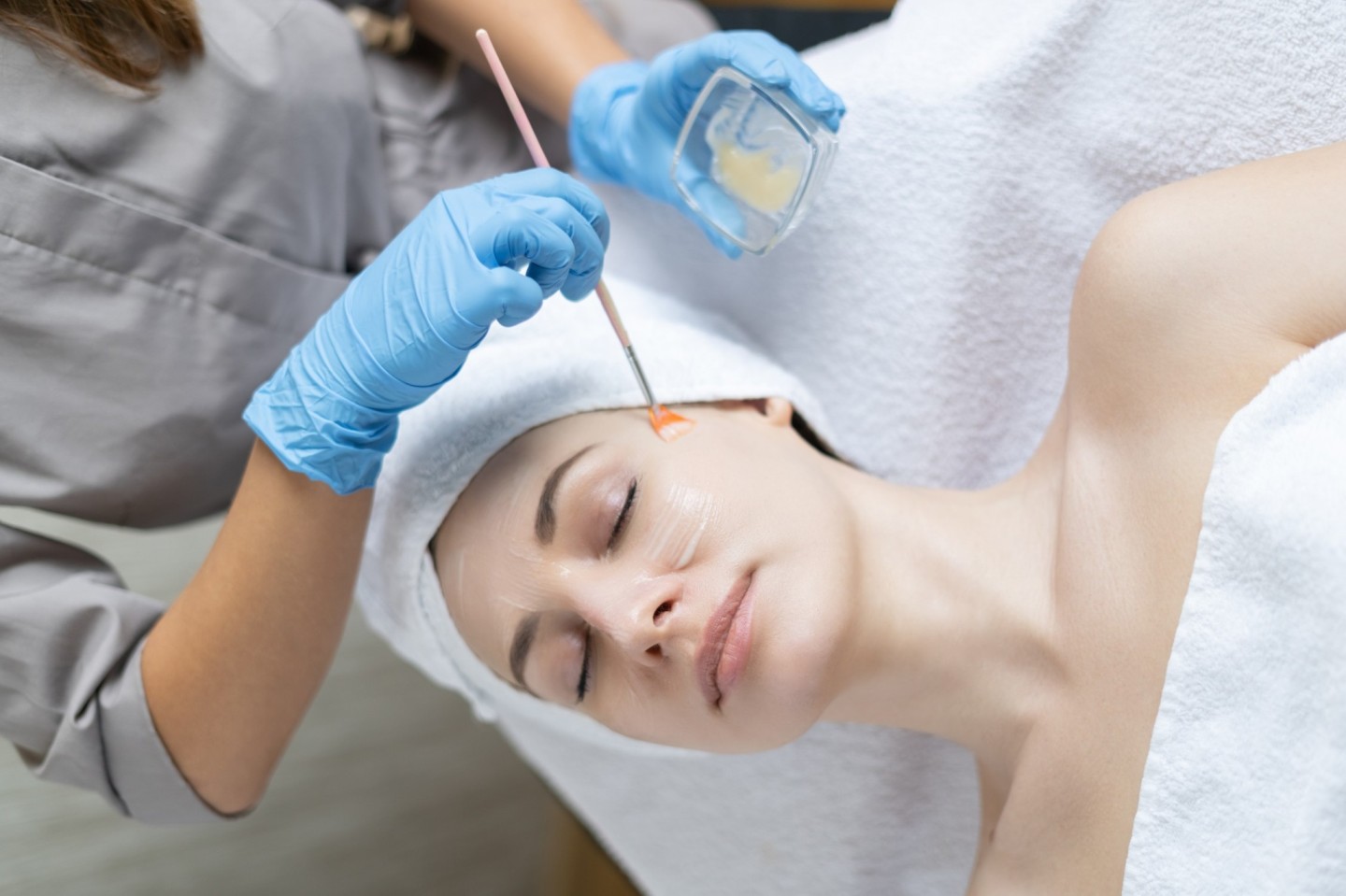
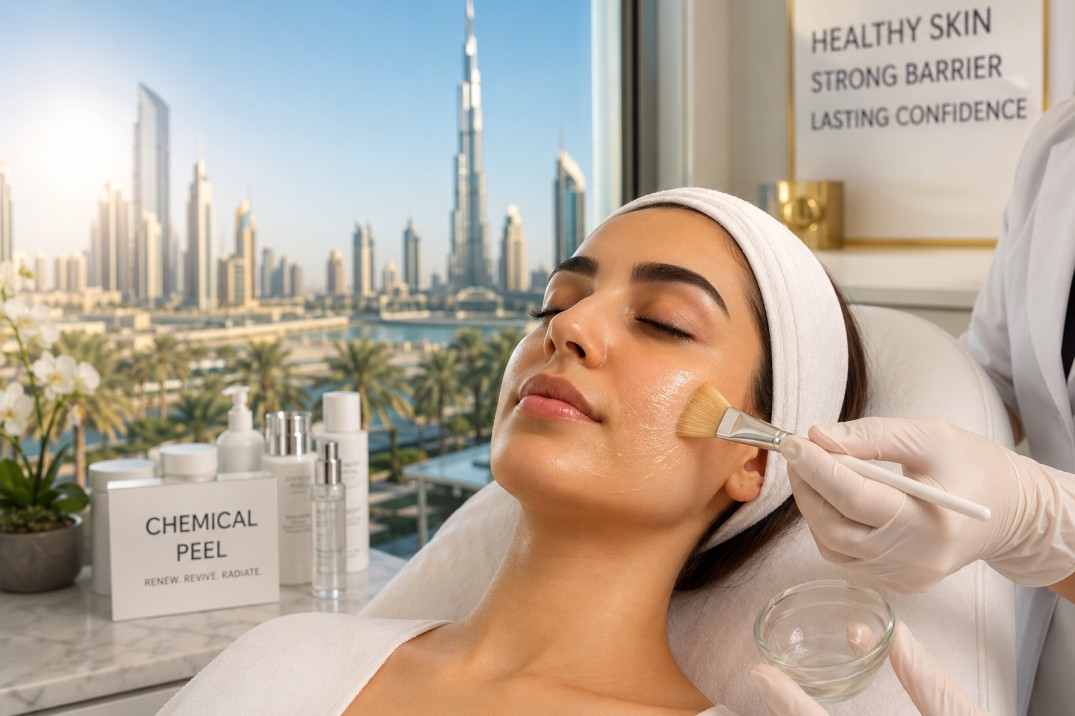
A chemical peel is a dermatologist-supervised skin resurfacing treatment that uses carefully selected exfoliating acids to remove damaged outer skin layers in a controlled manner.
Common peeling agents include:
Alpha Hydroxy Acids (AHAs) such as glycolic acid and lactic acid
Beta Hydroxy Acids (BHAs) such as salicylic acid
Trichloroacetic Acid (TCA) for deeper exfoliation
These solutions work by loosening the bonds between dead skin cells, allowing them to shed more efficiently and reveal fresher skin underneath.
How Chemical Peels Work
By removing layers of accumulated dead skin, chemical peels encourage fresher cells to reach the surface. Many patients notice smoother texture, improved clarity, and a healthier-looking complexion as the skin renews itself.
Supporting Natural Skin Cell Turnover
Healthy skin continuously renews itself through a process known as cell turnover, which typically occurs every four to six weeks.
However, several factors can slow this process, including:
Aging
Excessive sun exposure
Environmental pollution
Skin damage
Inadequate skincare
When turnover slows, common signs may include:
Dull complexion
Dead skin buildup
Clogged pores
Rough texture
Reduced effectiveness of skincare products
In many Dubai residents, prolonged sun exposure and environmental stress can slow normal cell turnover. A carefully selected chemical peel helps remove these accumulated surface cells, allowing fresher skin to emerge more efficiently.
Benefits of Chemical Peels for Skin in Dubai
Improved Skin Texture
One of the most noticeable benefits of chemical peels is smoother skin texture.
Following treatment, many individuals report that their skin feels softer and appears more refined, with a noticeable reduction in roughness and surface irregularities.
Brighter and More Even-Looking Skin
Concerns that may improve with chemical peels include:
Sun-induced pigmentation
Uneven skin tone
Post-inflammatory discoloration
Dullness caused by dead skin buildup
The result is often a brighter and more refreshed complexion.
Acne and Pore Management
Salicylic acid peels are frequently selected for oily and acne-prone skin because they penetrate into the pores, helping to reduce congestion and excess sebum while supporting clearer-looking skin over time.
Enhanced Skincare Product Absorption
When dead skin cells accumulate on the skin's surface, active skincare ingredients may not penetrate as effectively.
By removing this buildup, chemical peels can improve the interaction between skincare products and the skin, helping moisturizers, antioxidants, and other active ingredients perform more efficiently.
Types of Chemical Peels Commonly Used in Dubai
Superficial Peels
Examples include:
Glycolic acid peels
Lactic acid peels
Suitable for:
Mild pigmentation
Dull skin
Early signs of aging
Skin maintenance
Medium-Depth Peels
Examples include:
Salicylic acid peels
Jessner peels
Suitable for:
Acne-prone skin
Clogged pores
Moderate pigmentation
Sun-damaged skin
Deeper Peels
Examples include:
TCA peels
Suitable for:
Advanced pigmentation concerns
Acne scarring
More pronounced textural irregularities
The appropriate peel depends on individual skin characteristics and professional assessment.
The Importance of Personalized Treatment
Chemical peels are not a one-size-fits-all treatment.
Factors that influence treatment selection include:
Skin type
Skin sensitivity
Pigmentation concerns
Oil production
Medical history
Previous aesthetic treatments
Lifestyle and sun exposure
This is particularly important in Dubai's multicultural population, where skin types and pigmentation risks vary significantly.
A professional skin assessment helps determine the most appropriate peel type and concentration while reducing the risk of irritation or post-inflammatory pigmentation.
Recovery and Aftercare
Following a chemical peel, the skin enters a renewal phase as fresh skin cells replace older surface layers.
Temporary effects may include:
Mild redness
Tightness
Dryness
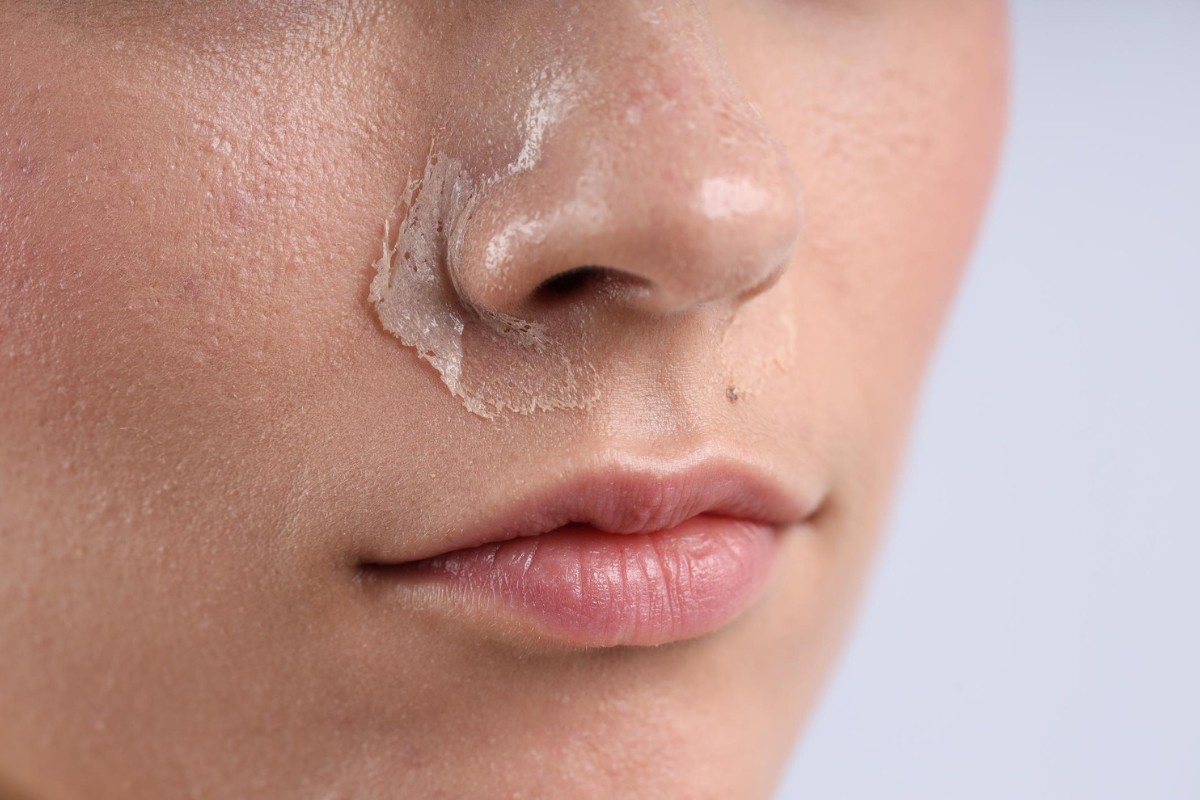
Light peeling or flaking
These effects are usually temporary and vary according to the strength of the peel.
Post-Peel Care
To support healing and maintain results:
Apply broad-spectrum sunscreen (SPF 30–50+) daily
Avoid direct sun exposure
Use gentle cleansers and moisturizers
Avoid harsh exfoliants during recovery
Maintain adequate hydration
Proper aftercare is essential, particularly in Dubai's sunny climate.
How Many Chemical Peel Sessions Are Needed?
The number of sessions varies depending on the condition being treated.
Many patients undergo a series of treatments spaced several weeks apart for optimal improvement.
A dermatologist can recommend a treatment plan based on:
Skin goals
Severity of pigmentation
Acne activity
Skin sensitivity
Desired outcomes
Long-Term Skin Maintenance
Chemical peels are often most effective when incorporated into a comprehensive skincare strategy.
With regular treatments and consistent daily skincare, they may help maintain:
Smoother skin texture
Improved skin clarity
Better hydration balance
More even skin tone
Reduced the buildup of environmental impurities
Healthier overall skin appearance
The goal is long-term skin health and maintenance rather than dramatic transformation.
FAQs
Q1. Can chemical peels help with acne?
Yes. Certain chemical peels, particularly salicylic acid-based peels, can help reduce pore congestion and support acne management.
Q2. Can chemical peels improve pigmentation?
Chemical peels may help improve the appearance of uneven pigmentation by encouraging the removal of damaged surface skin cells and promoting skin renewal.
Q3. Are chemical peels suitable for all skin types?
When properly selected and performed by qualified professionals, chemical peels can be customized for a wide range of skin types.
Q4. Is visible peeling always expected?
No. Mild peels may produce little or no visible peeling, while stronger peels may result in more noticeable flaking.
Q5. Why is sunscreen important after a chemical peel?
Newly renewed skin is more sensitive to UV exposure, making daily sun protection an essential part of post-treatment care.
Conclusion
Dubai's climate exposes the skin to multiple environmental stressors that can affect the skin barrier, hydration levels, and overall appearance. Chemical peels offer more than cosmetic improvement; they support the skin's natural renewal process while helping address concerns such as dullness, acne, uneven texture, and pigmentation.
When tailored to individual skin needs and performed under professional supervision, chemical peels may contribute to improved skin texture and overall skin appearance when incorporated into an individualized skincare plan.