What Should Parents Look for During a Boarding School Visit in Jaipur?
-

- June 29th, 2026
- 24 views

FREE SEO Topical Map Generator: Find Your Next Content Ideas
Choosing a boarding school is one of the most significant educational decisions a family can make. While online research, school websites, brochures, and rankings provide useful information, they only tell part of the story. A campus visit offers something far more valuable—the opportunity to experience the school's environment firsthand and understand what daily life is really like for students.
For families exploring boarding schools in Jaipur, visiting the campus can help answer important questions that simply cannot be resolved through photographs or virtual tours. From classroom interactions to hostel facilities and student wellbeing, every aspect of the visit contributes to building a clearer picture of whether a school is the right fit for your child.
Rather than focusing only on impressive infrastructure, parents should pay close attention to the school's culture, relationships, and overall learning environment.
Observe the School's Atmosphere
The first impression of a campus often reveals more than parents expect.
As you walk through the school, observe how students interact with teachers, house parents, support staff, and one another.
Do students appear confident and engaged?
Are teachers approachable?
Do students greet staff comfortably?
Is there a sense of respect without fear?
The overall atmosphere of a boarding school can tell you a great deal about its culture. A positive residential community usually reflects healthy relationships, open communication, and an environment where students feel secure and valued.
While every school has rules and discipline, the strongest schools combine structure with warmth and encouragement.
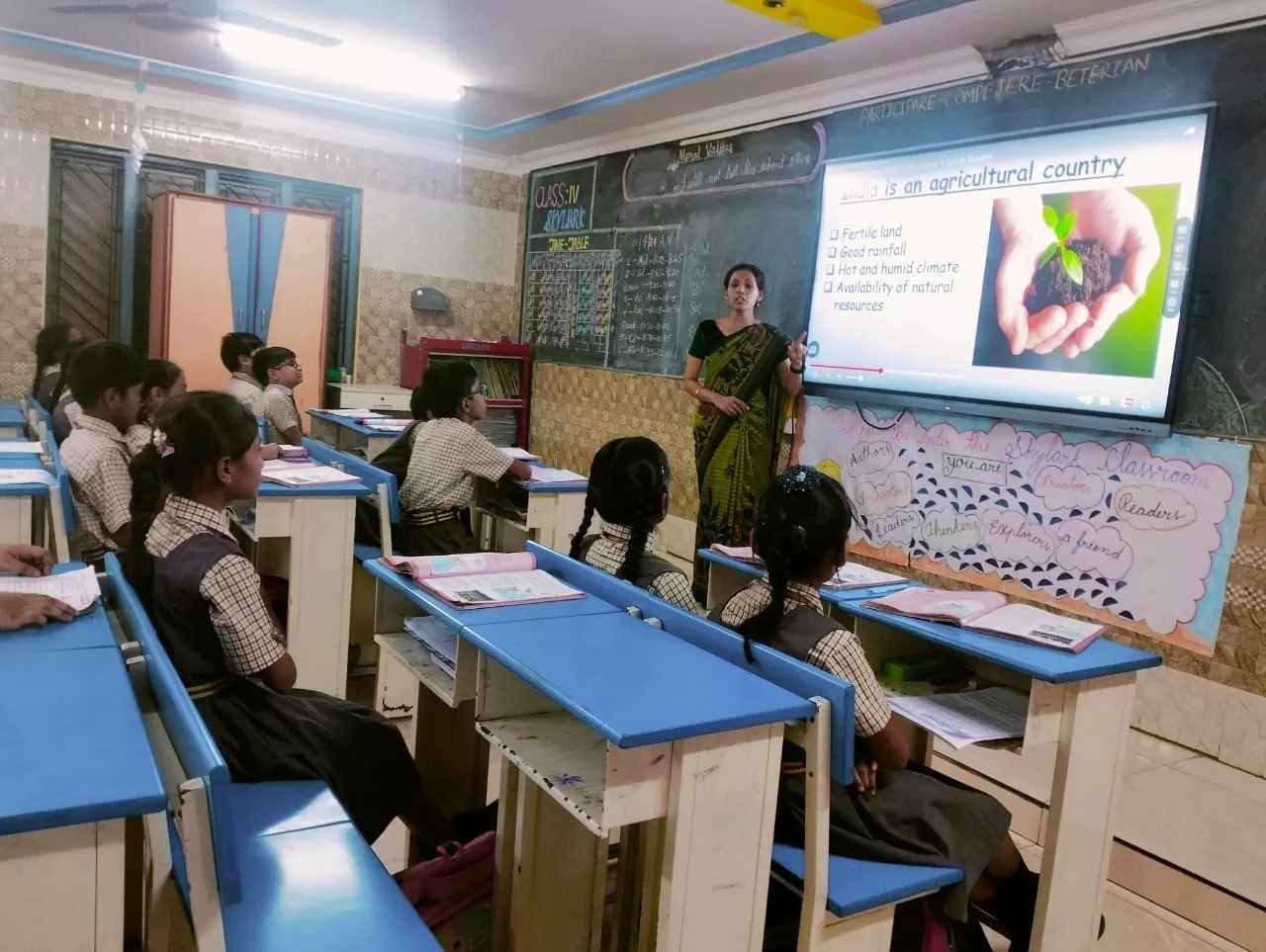
Visit the Academic Areas
Classrooms are the heart of every school.
If possible, request to observe classes while they are in progress.
Notice whether students are actively participating or simply listening.
Are teachers encouraging discussion and questions?
Do classrooms appear organised and well-equipped?
Is technology used meaningfully to support learning?
Parents should also ask about class sizes, assessment methods, academic support for struggling students, and enrichment opportunities for advanced learners.
Strong academic outcomes depend not only on curriculum but also on the quality of teaching and student engagement.
Evaluate the Residential Facilities
Since students spend much of their time in hostels, residential facilities deserve careful attention.
During your visit, inspect:
- Dormitories or student rooms
- Bathrooms and hygiene standards
- Dining halls
- Study areas
- Recreation rooms
- Laundry facilities
- Medical centres
- Common rooms
- Outdoor spaces
The facilities do not need to be luxurious.
Instead, they should be clean, safe, comfortable, and well maintained.
Ask how many students share each room, how residential supervision is organised, and how new students are supported during their transition into boarding life.
A well-managed hostel often has a significant influence on a student's overall happiness.
Understand Student Wellbeing and Pastoral Care
One of the most important—but sometimes overlooked—aspects of boarding education is student wellbeing.
Living away from home can be exciting, but it also requires emotional adjustment.
Parents should ask schools about their pastoral care systems.
Useful questions include:
- Are house parents available throughout the day?
- Is professional counselling available?
- How are homesick students supported?
- What happens if a student experiences emotional or academic difficulties?
- How often do staff communicate with parents?
- Is every student assigned a mentor or tutor?
Schools with clearly defined support systems generally create more positive residential experiences for students.
Learn About Daily Student Life
Understanding the daily routine helps parents determine whether the school offers a balanced educational experience.
Ask about:
- Wake-up and bedtime schedules
- Classroom hours
- Supervised study sessions
- Sports practice
- Clubs and societies
- Cultural activities
- Weekend programmes
- Recreation time
- Visiting hours for parents
The strongest boarding schools balance academics with opportunities for relaxation, creativity, physical activity, and social interaction.
Students benefit most when their schedules encourage both productivity and personal wellbeing.
Explore Sports and Extracurricular Opportunities
Boarding education extends far beyond textbooks.
Many boarding schools in Jaipur encourage participation in sports, performing arts, debate, music, dance, robotics, coding, environmental initiatives, leadership programmes, and community service.
Ask how frequently students participate in extracurricular activities.
Can every student join clubs?
How are talents identified and nurtured?
Do students compete in inter-school competitions?
A well-rounded education helps students build confidence, teamwork, communication skills, and resilience alongside academic achievement.
Meet Teachers and School Leaders
Whenever possible, speak directly with teachers, hostel staff, or senior administrators.
Rather than asking only about examination results, ask questions such as:
- How do teachers support students who are struggling academically?
- How are parents kept informed about progress?
- How are behavioural issues handled?
- What qualities does the school try to develop in students beyond academics?
These conversations often reveal the school's educational philosophy far more clearly than promotional materials.
Schools that answer thoughtfully and transparently usually inspire greater confidence.
Observe Student Behaviour
Students themselves often provide the most authentic insight into a school.
Watch how they interact during breaks, meals, and extracurricular activities.
Do they appear happy?
Are younger students comfortable around older students?
Do students seem engaged in campus life?
If the school allows it, speaking with current students can provide valuable perspectives about hostel life, academics, friendships, and everyday routines.
Their experiences often help parents understand what life at the school genuinely feels like.
Look Beyond Infrastructure
Modern buildings, impressive sports facilities, and attractive campuses certainly enhance the educational experience.
However, beautiful infrastructure should never become the deciding factor.
Parents should remember that students spend years building relationships with teachers, mentors, house parents, and classmates.
The quality of these relationships usually has a much greater influence on student happiness than architecture alone.
When comparing boarding schools in Jaipur, consider:
- Academic quality
- Faculty experience
- Student wellbeing
- Residential supervision
- Campus culture
- Leadership opportunities
- Communication with parents
- Safety measures
- Extracurricular programmes
- Overall student experience
These factors often determine whether a child truly thrives.
Trust Both Research and Observation
Campus visits should complement—not replace—careful research.
Review curriculum options, academic performance, university guidance, faculty qualifications, and student support services before visiting.
Then use the visit to confirm whether the school's culture aligns with your family's expectations and your child's personality.
Ultimately, the goal is not simply to find a highly ranked boarding school.
It is to identify the environment where your child will feel safe, supported, challenged, and encouraged to grow into a confident and independent individual.
Final Thoughts
A boarding school visit is one of the most valuable steps in the school selection process. It allows parents to move beyond brochures and rankings to experience the school's community, culture, and daily life firsthand.
By observing student interactions, evaluating residential facilities, asking meaningful questions, and understanding how the school supports both academic and personal development, families can make more informed decisions.
If you're exploring boarding schools in Jaipur, compare schools, curriculum options, campus facilities, admissions, and student life through Edulister's comprehensive school directory.
Learn more at Edulister.com
Frequently Asked Questions (FAQs)
1. Why is a campus visit important before choosing a boarding school?
A campus visit allows parents to experience the school's atmosphere, observe student life, inspect residential facilities, and interact with teachers and staff. It provides insights that websites and brochures cannot fully capture.
2. What facilities should parents inspect during a boarding school visit?
Parents should visit dormitories, dining halls, classrooms, libraries, laboratories, sports facilities, medical centres, study areas, recreational spaces, and common rooms. Cleanliness, safety, and maintenance are important indicators of the school's residential standards.
3. What questions should parents ask during a boarding school tour?
Ask about student wellbeing programmes, mentoring systems, counselling services, teacher-to-student ratios, hostel supervision, safety measures, extracurricular activities, communication with parents, and how the school helps new students adjust to boarding life.
4. How can parents assess the quality of student support?
Look for structured pastoral care, experienced house parents, accessible counsellors, mentorship programmes, healthcare facilities, and regular communication between the school and families. Schools should be able to clearly explain how they support students both academically and emotionally.
5. What should parents observe about students during the visit?
Notice how students interact with teachers and peers, whether they appear confident and engaged, and how they participate in classes and campus activities. Student behaviour often reflects the school's overall culture and learning environment.
6. Is infrastructure more important than school culture?
No. While modern facilities contribute to a positive learning environment, factors such as teaching quality, student wellbeing, residential care, leadership opportunities, and campus culture generally have a greater long-term impact on a student's overall experience and development.