The Blue Spirulina Trend Has Landed in Australia — Here's What Buyers Should Actually Know
-

- July 24th, 2026
- 22 views

FREE SEO Topical Map Generator: Find Your Next Content Ideas
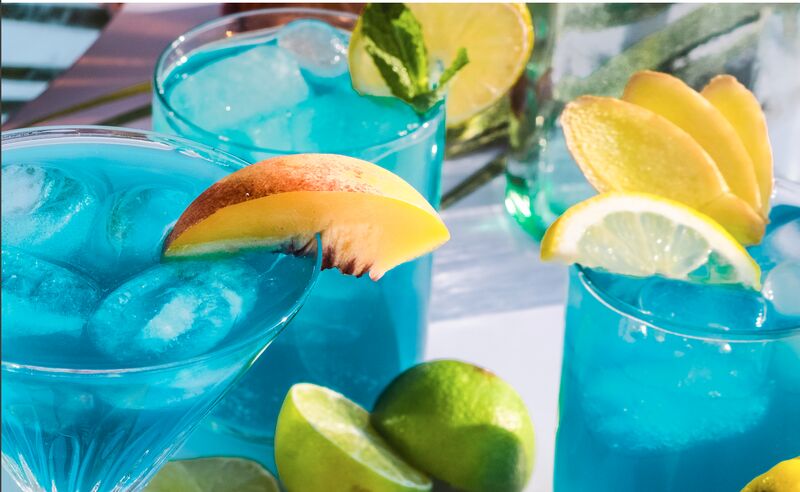
Cafes in Melbourne and juice bars along the Gold Coast have both been swept up in the same visual trend over the last couple of years: electric blue smoothies, lattes, and bowls that look almost too vivid to be natural. The ingredient behind it, blue spirulina in Australia, has moved from niche wellness circles into mainstream Australian cafe culture surprisingly fast.
What Makes It Blue
The colour comes from phycocyanin, a naturally occurring antioxidant pigment extracted from spirulina, a type of blue-green algae. Ordinary spirulina is green because it also contains chlorophyll; blue spirulina is produced by isolating just the phycocyanin, leaving a concentrated blue powder behind. It's a processing difference, not a different raw ingredient.
Why Australian Buyers Should Pay Attention to Sourcing
As demand has grown locally, so has the range of products claiming to be "blue spirulina," and not all of them are made to the same standard. The concentration of active phycocyanin can vary significantly between suppliers, and extraction methods aren't always disclosed. For Australian buyers specifically, looking for organic certification and clear sourcing information is a reasonable way to filter out lower-quality products riding the trend without matching the quality.
Taste Is the Real Differentiator
A lot of people who've tried green spirulina and found the flavour off-putting are surprised by how mild a well-made blue spirulina extract actually tastes. That difference is a big part of why it's found a home in cafes and home kitchens where green spirulina never quite caught on — it adds colour and a subtle nutritional boost without dominating the flavour of a drink or dish.
How It's Actually Being Used
Beyond the visually dramatic "mermaid latte" that put it on the map, home cooks and cafes are using blue spirulina in smoothie bowls, bliss balls, raw cheesecakes, and other no-bake treats where a natural blue tint is preferable to synthetic food colouring. Because a small amount produces a strong colour, it's an easy ingredient to experiment with in small batches before committing to a full recipe.
Buying Considerations for the Australian Market
Given that blue spirulina is still a relatively new category locally, it's worth treating it the way you would any imported specialty food ingredient — checking certification, understanding how the product was processed, and buying from a supplier who's transparent about where the algae is grown and how the extract is made, rather than choosing based on packaging or price alone.
Unlike whole green spirulina, blue spirulina isn't simply dried algae—it is phycocyanin, a vibrant pigment-protein complex extracted through precision water-extraction techniques.
A reputable supplier will readily provide a batch-specific Certificate of Analysis (CoA) verified by an independent, third-party laboratory.
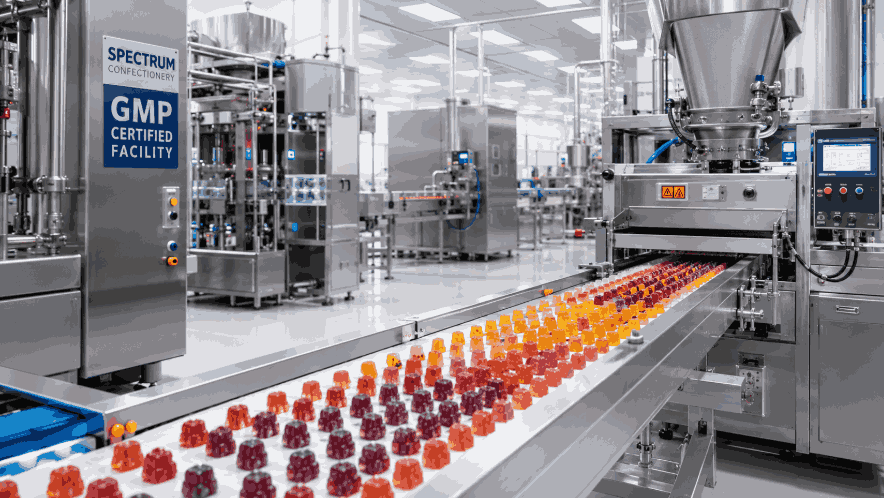
Furthermore, processing methods matter immensely for functional quality. Gentle solvent-free extractions retain the integrity of delicate phycocyanin proteins, whereas harsh chemical agents or excessive heat degrade heat-sensitive bio-compounds and diminish vibrant pigment performance. Choosing a transparent brand certified under Good Manufacturing Practices (GMP) or ISO standards ensures you receive a pure, functional superfood rather than an unstable, low-potency dye.
Final Thoughts
Blue spirulina's popularity in Australia isn't likely to fade soon, given how well it fits both the aesthetic-driven cafe culture and the broader local interest in natural, minimally processed ingredients. For anyone considering trying it, understanding what it is and what separates a quality product from a marketing-driven one makes for a much better first experience than jumping in based on colour alone.
Beyond the eye-catching cerulean shade that dominates social media feeds, the real appeal of high-grade blue spirulina lies in its impressive nutritional profile and versatility. Unlike its whole-cell green counterpart, blue spirulina is an extract containing concentrated phycocyanin—the powerful antioxidant protein responsible for both its vibrant pigment and its anti-inflammatory benefits. Because the extraction process removes the heavy cellular plant matter, it eliminates the signature fishy, earthy taste associated with traditional spirulina. The result is a virtually neutral powder that seamlessly blends into everything from morning oat bowls and coconut yoghurt to iced lattes and post-workout smoothies, without compromising flavor.
However, as demand surges across Australian health food stores and online retailers, product quality varies dramatically. Savvy consumers should look past glossy packaging and check for purity and extraction methods. Superior blue spirulina is derived from organic Arthrospira platensis and extracted using chemical-free, water-based processes. Lower-tier offerings often dilute the powder with cheap fillers, maltodextrin, or synthetic dyes to cut costs, significantly dampening the health benefits. Checking for third-party lab testing ensures the product is free from heavy metals and contaminants. Investing in a pure, ethically sourced extract guarantees you are nourishing your body, not just decorating your dish.