
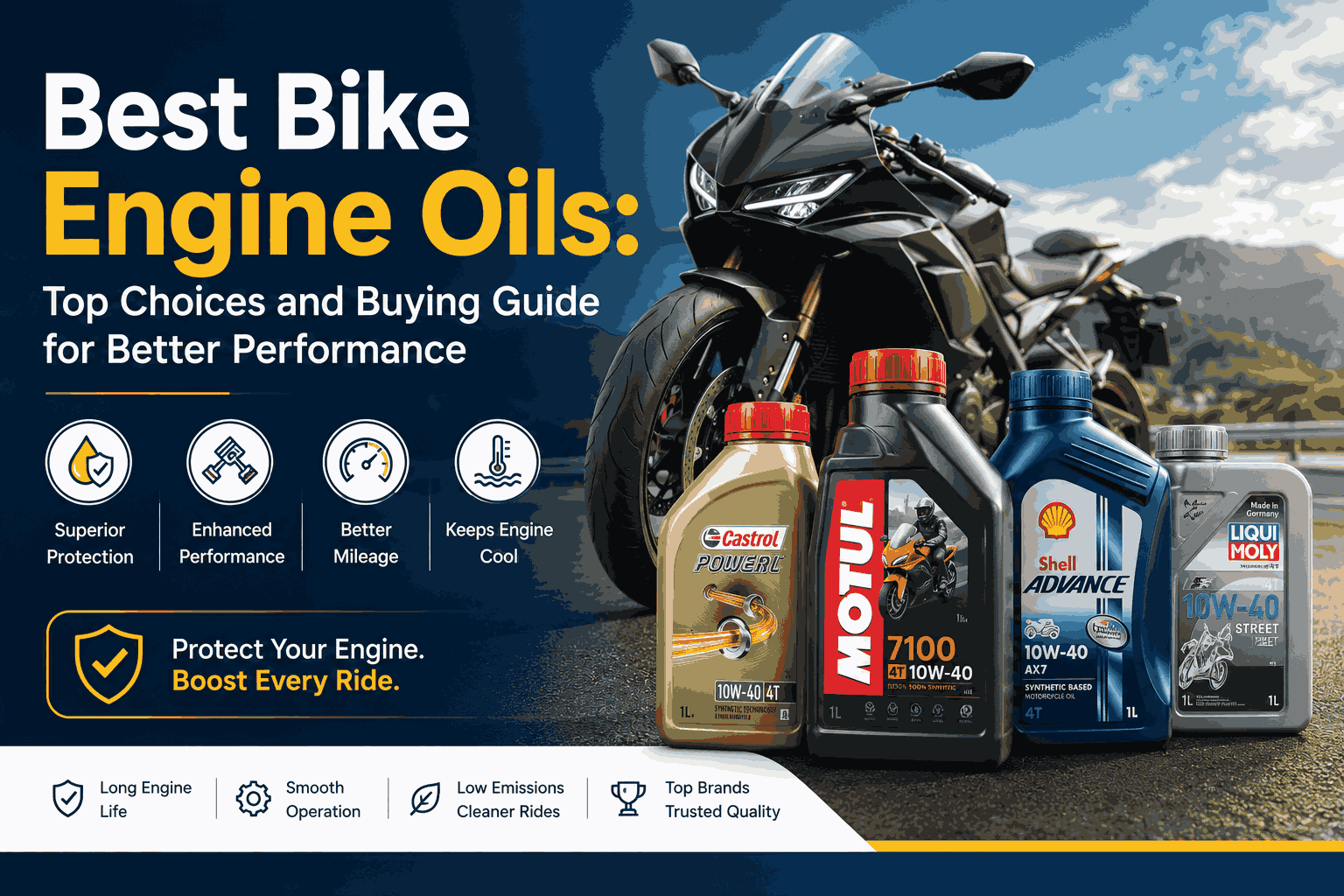
Best Bike Engine Oils: Top Choices for Performance, Protection, and Engine Life
-

- June 25th, 2026
- 25 views

FREE SEO Topical Map Generator: Find Your Next Content Ideas
Engine oil is often called the lifeblood of a motorcycle, and for good reason. It lubricates engine components, reduces friction, controls heat, and helps keep the engine running smoothly. Choosing the best bike engine oils can significantly improve your motorcycle's performance, fuel efficiency, and lifespan.
Whether you ride a daily commuter bike, a sports motorcycle, or a touring machine, using the right engine oil is one of the simplest ways to protect your investment. However, with so many options available in the market, selecting the right product can be confusing.
This guide explains everything you need to know about the best bike engine oils, including their benefits, types, selection criteria, and maintenance tips to keep your motorcycle in top condition.
Why Engine Oil Is Important for Your Motorcycle
Every motorcycle engine contains multiple moving parts that operate under high temperatures and pressure. Without proper lubrication, these components would wear out quickly.
The best bike engine oils perform several essential functions:
· Reduce engine friction
· Minimize wear and tear
· Prevent overheating
· Remove contaminants
· Improve fuel efficiency
· Enhance engine performance
Regular oil changes using high-quality engine oil help maintain smooth engine operation and reduce long-term repair costs.
Types of Bike Engine Oils
Understanding different types of engine oils is important before choosing the best option for your motorcycle.
Mineral Engine Oil
Mineral oil is derived directly from refined crude oil. It is commonly used in entry-level motorcycles and older bikes.
Benefits include:
· Affordable pricing
· Suitable for low-stress engines
· Easy availability
However, mineral oils generally require more frequent replacement than synthetic alternatives.
Semi-Synthetic Engine Oil
Semi-synthetic oils combine mineral oil with synthetic additives.
Advantages include:
· Better protection than mineral oil
· Improved temperature resistance
· Longer service intervals
Many motorcycle owners consider semi-synthetic products among the best bike engine oils for daily commuting.
Fully Synthetic Engine Oil
Fully synthetic oil is engineered to deliver maximum performance and protection.
Benefits include:
· Excellent engine cleanliness
· Superior heat resistance
· Better lubrication under extreme conditions
· Longer oil life
These oils are often recommended for premium motorcycles, sports bikes, and high-performance engines.
Features of the Best Bike Engine Oils
Not all engine oils offer the same level of protection. The best bike engine oils share several important characteristics.
Excellent Lubrication
High-quality oils create a protective film between engine components, reducing friction and preventing premature wear.
Thermal Stability
Motorcycle engines generate significant heat, especially during long rides or heavy traffic conditions.
Good engine oil maintains its protective properties even at high temperatures.
Engine Cleanliness
Premium oils help prevent sludge formation and keep engine components clean.
A cleaner engine generally performs more efficiently and lasts longer.
Wear Protection
The best bike engine oils contain additives that protect critical engine parts from excessive wear and corrosion.
How to Choose the Best Bike Engine Oils
Selecting the right engine oil depends on several factors.
Follow Manufacturer Recommendations
Always check your motorcycle owner's manual before purchasing engine oil.
Manufacturers specify:
· Recommended viscosity grade
· Performance standards
· Oil type requirements
Using the recommended oil helps ensure optimal engine performance.
Consider Riding Conditions
Different riding conditions place different demands on engine oil.
For example:
· City traffic generates frequent stop-and-go heat cycles.
· Highway riding involves sustained high speeds.
· Touring bikes require long-lasting protection.
Choosing oil that matches your riding style can improve engine health.
Check Viscosity Ratings
Viscosity indicates how easily oil flows at different temperatures.
Common motorcycle oil grades include:
· 10W-30
· 10W-40
· 15W-50
· 20W-50
The correct viscosity depends on climate conditions and manufacturer specifications.
Look for Quality Certifications
Reliable engine oils meet recognized industry standards.
These certifications indicate that the oil has undergone testing for performance and protection.
Benefits of Using the Best Bike Engine Oils
Many riders underestimate the impact of quality engine oil on motorcycle performance.
Improved Engine Performance
High-quality lubrication helps the engine operate smoothly and efficiently.
Many riders notice smoother acceleration and reduced engine noise after switching to premium oils.
Better Fuel Efficiency
Reduced friction allows the engine to work more efficiently, which can contribute to improved fuel economy.
Longer Engine Life
Consistent use of the best bike engine oils helps reduce wear and extend engine lifespan.
Enhanced Riding Experience
Smooth engine operation results in a more comfortable and enjoyable ride, especially during long journeys.
Signs Your Bike Needs an Oil Change
Even the best engine oil loses effectiveness over time.
Recognizing the signs of oil degradation can prevent engine damage.
Increased Engine Noise
If the engine sounds louder than usual, it may indicate reduced lubrication performance.
Reduced Performance
Sluggish acceleration or rough engine operation can sometimes be linked to old or degraded oil.
Dark or Dirty Oil
Fresh engine oil typically has a cleaner appearance.
As oil accumulates contaminants, it becomes darker and less effective.
Manufacturer Service Interval
Following recommended oil change intervals remains one of the best maintenance practices.
Common Mistakes Riders Should Avoid
Motorcycle owners sometimes make errors that can negatively affect engine health.
Delaying Oil Changes
Postponing oil changes increases engine wear and reduces lubrication effectiveness.
Mixing Different Oil Types
Mixing incompatible oils can affect performance and protection.
Choosing Oil Based Only on Price
The cheapest option is not always the most economical in the long run.
Investing in quality products can reduce maintenance and repair expenses.
Ignoring Manufacturer Specifications
Using incorrect viscosity grades or non-recommended oil types can impact engine performance.
Best Practices for Engine Oil Maintenance
Proper maintenance helps maximize the benefits of the best bike engine oils.
Check Oil Levels Regularly
Low oil levels can cause serious engine damage if ignored.
Replace Oil Filters
Oil filters help remove contaminants from the lubrication system.
Changing the filter during oil service improves overall engine protection.
Monitor Oil Condition
Regular inspections help identify contamination or unusual oil consumption.
Store Oil Properly
Unused engine oil should be stored in a cool, dry place away from direct sunlight.
Future Trends in Motorcycle Engine Oils
As motorcycle technology evolves, engine oil formulations continue to improve.
Manufacturers are developing oils that offer:
· Enhanced fuel efficiency
· Better thermal protection
· Extended service intervals
· Improved environmental performance
These advancements will help future motorcycles achieve greater reliability and efficiency.
Conclusion
Choosing the best bike engine oils is one of the most important decisions a motorcycle owner can make. Quality engine oil protects vital components, improves performance, enhances fuel efficiency, and extends engine life.
Whether you ride a commuter motorcycle, a touring bike, or a high-performance machine, selecting the right oil and following regular maintenance schedules can make a significant difference. By understanding oil types, viscosity ratings, and manufacturer recommendations, riders can ensure their motorcycles remain reliable, efficient, and enjoyable to ride for years to come.
Investing in the best bike engine oils today can help prevent costly repairs and keep your motorcycle performing at its best on every journey.