
How to Prepare for Your First 200 Hour Yoga Teacher Training in Rishikesh
-

- July 21st, 2026
- 35 views


FREE SEO Topical Map Generator: Find Your Next Content Ideas
Rishikesh pulls thousands of students every year who want to deepen their practice and step into teaching. If you're booking your first program, you probably feel a mix of excitement and nerves. That's completely normal. A month of intensive training changes your body, your daily rhythm, and often your outlook on life. At Rishikesh Yogis Yogshala, we've watched hundreds of first-time students walk in unsure of what to expect and walk out transformed, confident, and certified. This guide breaks down exactly how to prepare so you arrive ready, not overwhelmed.
Key Takeaways
- Start physical conditioning at least 4-6 weeks before your course begins
- Pack light, breathable clothing and skip heavy toiletries you can buy locally
- Set realistic expectations around discipline, silence, and early wake-up calls
- Read your syllabus in advance so philosophy and anatomy classes feel familiar
- Handle visa, vaccinations, and travel insurance well ahead of departure
- Approach the training with an open mind rather than a fixed agenda
Understand What the Training Actually Involves
A 200 hour yoga teacher training in rishikesh covers far more than asana practice. Expect daily sessions in Hatha and Vinyasa flow, pranayama, meditation, yoga philosophy, anatomy, and teaching methodology, usually spread across three to four weeks. Days typically start before sunrise and run until evening, with short breaks for meals and rest. Students live on campus, eat sattvic vegetarian food, and follow a structured schedule that leaves little room for wandering off. Knowing this upfront helps you mentally prepare for a lifestyle shift rather than a vacation with some yoga mixed in.
Build Physical Readiness Before You Arrive
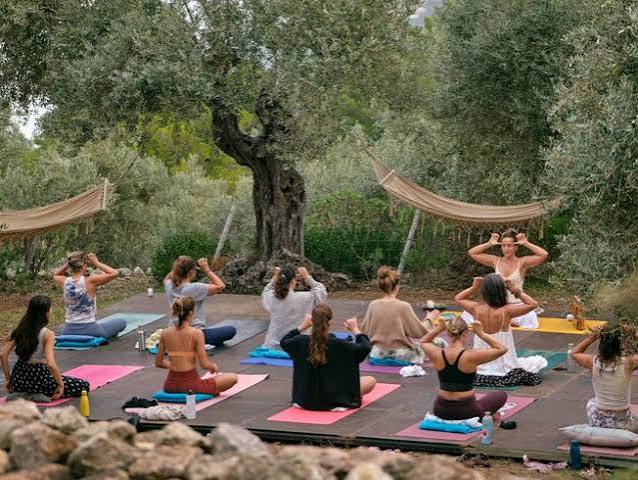
You don't need to master advanced postures before your first day, but building a base level of strength and flexibility makes the transition smoother. Spend the weeks leading up to your departure practicing yoga four to five times a week, focusing on foundational poses, core strength, and hip and shoulder mobility. Add light cardio like walking, swimming, or cycling to build stamina, since training days involve hours of standing, sitting cross-legged, and moving through sequences. If you sit at a desk all day, gently increase your sitting tolerance in postures like Sukhasana or Vajrasana, since long meditation and philosophy sessions require comfortable floor sitting.
Prepare Mentally for Discipline and Simplicity
First-time trainees often underestimate how demanding the schedule feels, not physically but mentally. Early wake-up times, phone-free study hours, and periods of silence challenge people used to constant stimulation. Set an intention before you leave home: you're there to learn, unlearn old habits, and sit with discomfort when it arises. Journaling, short daily meditation, and reducing screen time in the weeks before departure ease this adjustment considerably.
Pack Smart, Not Heavy
Rishikesh has a hot, humid climate for most of the year and a cooler one in winter months, so check the season before packing. Bring:
- Breathable, loose cotton clothing for practice and casual wear
- A lightweight shawl or scarf for meditation halls and evening chill
- A personal yoga mat if you have a preferred thickness or grip
- Basic toiletries, a reusable water bottle, and a small first-aid kit
- A journal for reflections, plus any textbooks your school recommends in advance
Avoid overpacking. Local markets in Rishikesh sell everything from mala beads to yoga props at reasonable prices, so you can shop once you arrive rather than carry excess weight.
Handle Logistics Early
Sort out your visa application, vaccination requirements, and travel insurance at least a month before departure, since processing times vary by country. Book flights into Dehradun's Jolly Grant Airport or Delhi, followed by a road transfer, and confirm whether your school arranges pickup. Check with your bank about international transaction fees, and carry a mix of cash and cards, since some local vendors don't accept cards. Register your course dates with family or friends, and save your school's contact details somewhere accessible offline.
Read the Syllabus Before You Arrive
Most schools share a detailed curriculum ahead of time. Go through it and skim basic yoga anatomy terms, common Sanskrit names for postures, and foundational philosophy texts like the Yoga Sutras of Patanjali or the Bhagavad Gita. You don't need expert knowledge, just familiarity, so lectures feel like reinforcement rather than a flood of new information. Many students also benefit from practicing basic Sanskrit pronunciation, since chanting and mantra recitation form part of daily sessions.
Set Realistic Expectations Around Community Living
You'll share space with strangers from different countries, cultures, and yoga backgrounds. Roommates, shared bathrooms, and communal dining are standard. Approach this with flexibility rather than rigid personal habits. Friendships formed during a 200-hour training often last well beyond the course, since the shared intensity of the experience builds fast bonds. Staying open, patient, and communicative with fellow students makes daily life far more pleasant.
Take Care of Your Health Before Departure
Schedule a general health check-up, especially if you have any pre-existing conditions like joint issues, high blood pressure, or digestive sensitivities. Inform your school in advance about any injuries or medical concerns so instructors can modify postures where needed. Build gut resilience by gradually introducing more plant-based, spiced foods into your diet before you travel, since the sudden dietary shift catches many students off guard.
Choosing the right school shapes your entire experience, and the difference between a rushed, crowded program and a well-structured one is significant. Rishikesh Yogis Yogshala keeps batch sizes small, pairs experienced teachers with attentive mentorship, and structures each week to balance intensity with genuine rest. Explore the upcoming course dates, compare the syllabus against your goals, and reach out with your questions before you commit, since the right fit at the start makes the entire month far more rewarding.
Frequently Asked Questions
1. Do I need prior yoga experience to join a 200-hour training?
No. Most programs welcome beginners along with intermediate practitioners, and instructors adjust postures based on individual ability throughout the course.
2. How physically demanding is a typical training day?
Days involve two to three hours of asana practice plus pranayama and meditation, so expect moderate to high physical exertion, especially in the first week.
3. What is the best time of year to attend training in Rishikesh?
Autumn through spring, roughly October to April, offers the most comfortable weather, while summer months bring higher heat and humidity.
4. Will I receive an internationally recognized certification?
Yes, certified schools issue a Yoga Alliance-recognized 200-hour certificate upon successful completion of coursework and practical assessments.
5. Can I bring my phone and laptop during the training?
You can bring them, but most schools restrict use during class hours and encourage limited screen time to support the immersive experience.